

I once glanced at the label of my favorite sports drink and saw 'electrolytes' boldly featured. But what are electrolytes really, and why do they matter beyond just fancy marketing? Curious and a bit skeptical, I dove into the science behind those tiny charged ions and discovered a fascinating world where sodium, potassium, calcium, and others are the unsung heroes orchestrating everything from muscle twitches to heartbeats. Let’s uncover their secrets together.
Electrolytes 101: The Invisible Conductors of Your Body
When I look at the label on my favorite sports drink, I always see the word "electrolytes" front and center. But what are electrolytes, really, and why do we need them? Electrolytes are ions that carry an electrical charge and travel in and out of cells. These charged particles are the invisible conductors that keep our bodies running smoothly, especially when it comes to nerve signaling and muscle function.
What Are Electrolytes?
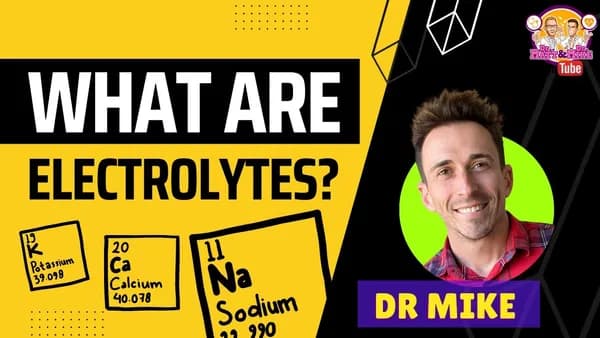
Electrolytes are minerals in your blood and other body fluids that carry an electric charge. The most common electrolytes in the human body include:
- Sodium (Na+)
- Potassium (K+)
- Calcium (Ca2+)
- Chloride (Cl-)
- Magnesium (Mg2+)
Each of these ions has a specific electrical charge, either positive or negative, and they move in and out of cells to help regulate a variety of essential processes.
Electrolyte Functions in Nerve and Muscle Activity
One of the most important electrolyte functions is in nerve signaling. Our nerves communicate through tiny electrical signals called action potentials. These signals are generated when sodium and potassium ions move across the cell membrane, switching the cell's charge from negative to positive and back again. This charge switching is like a tiny light switch flipping on and off in every cell, every time you move your fingers or blink your eyes.
Here’s a simple breakdown of how this works:
- Sodium ions rush into the cell, making the inside more positive.
- Potassium ions flow out, returning the cell to its resting state.
This rapid movement of ions creates the action potential, which travels down the neuron like a wave, carrying messages from your brain to your muscles and organs. Without the right balance of electrolytes, these signals can’t be sent properly, which can lead to muscle cramps, weakness, or even more serious health issues.
Why Electrolyte Balance Matters
Maintaining the right levels of these common electrolytes is crucial for healthy nerve signaling and muscle contraction. Whether you’re running a marathon or just typing on your keyboard, electrolytes are quietly at work, making sure every signal gets through.
Electrolytes are ions that carry an electrical charge and travels in and out of cells.
Muscle Contraction and Electrolytes: The Calcium Connection
When I think about muscle contraction, I always remember how important electrolytes are—especially calcium. The process is more fascinating than it seems on the surface. Our muscles don’t just move on their own; they rely on a delicate balance of electrolytes to function properly. Calcium plays a starring role in this process, and understanding its function can help explain why muscle cramps and weakness sometimes strike after a tough workout.
Here’s how it works: When your brain sends a signal for a muscle to contract, that message travels down your nerves and reaches the muscle fiber. At this point, something remarkable happens. As the source material explains,
Once this switching signal reaches the muscle fiber, the electrolyte calcium ions flood into the muscle fiber and the muscle contracts.In other words, calcium ions act as the trigger, allowing the muscle fibers to slide past each other and create movement.
But what happens if you don’t have enough electrolytes, like calcium, potassium, or sodium? The answer is simple but important:
If you have lower electrolyte concentrations, this can lead to weaker and inefficient muscle contractions.I’ve noticed this myself after intense exercise sessions. Those unexpected muscle cramps or feelings of weakness are often my body’s way of signaling that my electrolyte levels might be off balance.
- Calcium’s role in muscle contraction: Calcium ions are essential for the contraction process. Without enough calcium, the muscle fibers can’t contract efficiently.
- Impact of low electrolytes: Not just calcium, but low potassium and sodium can also cause muscle weakness and cramps. Electrolyte balance is key for smooth, powerful movements.
- Personal experience: After a sweaty workout, I sometimes feel muscle cramps. Now I realize it’s often my electrolytes, especially calcium, waving a red flag.
Maintaining the right balance of electrolytes, with a special focus on calcium, is crucial for anyone who wants to keep their muscles working at their best. Whether you’re an athlete or just someone who enjoys staying active, paying attention to your electrolyte intake can make a noticeable difference in how your muscles feel and perform.
When Electrolyte Levels Drop: Signs and Risks
Electrolytes play a crucial role in keeping our bodies functioning smoothly, but it’s easy to overlook just how quickly things can go wrong when their levels fall out of balance. Electrolyte imbalance symptoms can range from mild discomfort to life-threatening emergencies, especially when it comes to potassium and sodium.
Potassium Low Levels: More Than Just Fatigue
Potassium is essential for heart and muscle function. When potassium levels drop—something that can happen due to excessive alcohol use, constant vomiting, or even a combination of both—the effects can be serious. As I’ve learned, low potassium can also lead to irregular heartbeat and, in severe cases, cardiac arrest. This isn’t just a minor inconvenience. An irregular heartbeat, or arrhythmia, can be life-threatening if not addressed quickly.
Low potassium... can also lead to irregular heartbeat and in severe cases cardiac arrest.
Some common causes of potassium low levels include:
- Heavy alcohol consumption
- Prolonged vomiting or diarrhea
- Certain medications (like diuretics)
Sodium Low Levels: The Hidden Danger of Dehydration
Sodium is another key electrolyte that helps regulate fluid balance and nerve function. Dehydration is a major cause of sodium low levels, especially after intense exercise or heat exposure. I once knew someone who suffered severe muscle cramps after a long hike in hot weather—classic signs of sodium depletion. The symptoms can start small, but quickly become dangerous. Low sodium can lead to loss of energy, muscle cramps, and even comas.
Low sodium... can lead to loss of energy, muscle cramps and even comas.
Watch for these electrolyte imbalance symptoms:
- Muscle cramps or spasms
- Unusual fatigue or weakness
- Confusion or trouble concentrating
- Irregular heartbeat
- Severe cases: fainting or coma
Why Monitoring Electrolytes Matters
Both potassium and sodium are vital for heart, muscle, and nerve health. Ignoring the early signs of an electrolyte imbalance can lead to serious consequences, including cardiac arrest or coma. Staying aware of the risks and symptoms—especially after illness, heavy sweating, or alcohol use—can make all the difference in protecting your health.
Beyond Muscles and Nerves: Multifaceted Roles of Electrolytes
When I think about electrolytes, the first things that come to mind are usually muscle contraction and nerve signals. But the truth is, electrolyte functions go far beyond just keeping our muscles and nerves in check. Each electrolyte has its own unique set of roles—almost like a “side gig” that’s just as important as its main job.
Calcium’s Role: More Than Just Strong Bones
We often hear about calcium for healthy bones and teeth, but its impact is much broader. For example, calcium helps with blood clotting and bone density. This means that when I get a cut, it’s calcium that helps my blood form a clot and stop the bleeding. Plus, calcium is always working behind the scenes to keep my bones strong and dense, supporting my body’s structure every day. So, the calcium role is not just about muscle contraction—it’s also about keeping my blood and bones healthy.
Chloride: The Unsung Hero of Water Balance
Chloride is another electrolyte that deserves more attention. It usually teams up with sodium, and together, they help control the movement of water in and out of my cells. As the saying goes, chloride usually hangs out with sodium and helps transfer water in and out of cells. This balance is crucial for keeping my cells hydrated and maintaining the right fluid levels throughout my body. Without chloride doing its job, my body would struggle to manage hydration and blood pressure effectively.
Magnesium Importance: Powering Enzymes and Metabolism
Magnesium is often overlooked, but its importance can’t be overstated. Magnesium is used to make enzymes function, which means it’s involved in hundreds of biochemical reactions. From energy production to DNA repair, magnesium supports enzyme functions that keep my metabolism running smoothly. Without enough magnesium, many of these essential processes would slow down or stop altogether.
- Calcium aids blood clotting and bone strength, not just muscle contraction.
- Chloride works with sodium to regulate water movement in and out of cells.
- Magnesium supports enzyme functions, crucial for many biochemical reactions.
It’s clear that the roles of electrolytes like calcium, chloride, and magnesium extend far beyond what we usually hear about. They are essential for a wide range of bodily functions, making electrolyte balance vital for overall health.
Hydration Choices: Sports Drinks, Coconut Water, and What Works Best
When it comes to hydration sources, there’s a lot of debate about what works best—especially after intense exercise. For years, I reached for sports drinks after long runs, trusting their promise of quick hydration and electrolyte replacement. These colorful drinks are everywhere, and it’s true that they offer more than just water after a sweaty workout. Sports drinks hydration comes from added electrolytes like sodium and potassium, which help replenish what you lose through sweat. But there’s a catch: these drinks are often loaded with sugars and calories, and these sports drinks don't have all the electrolytes your body needs.
After one particularly grueling marathon, I decided to try something different. I switched to coconut water, curious about its reputation as a natural electrolyte powerhouse. Coconut water electrolytes are naturally occurring and include not just sodium and potassium, but also magnesium and calcium. In fact, coconut water not only has all the electrolytes you need, but higher amounts as well. I noticed a real difference—less leg cramping, faster recovery, and none of the sticky aftertaste or sugar crash I sometimes got from sports drinks.
Comparing these hydration sources, it’s clear that both have their place. Sports drinks can be helpful when you need a quick boost, especially during long or intense sessions where you’re sweating heavily. However, the added sugars and limited range of electrolytes mean they’re not always the best choice for every situation. If you’re watching your calorie intake or want a more natural option, coconut water is a strong contender. Its comprehensive mix of electrolytes supports recovery and hydration without unnecessary additives.
Ultimately, the best hydration choice depends on your needs and preferences. For me, making the switch to coconut water after tough workouts has made a noticeable difference in how I feel and recover. Whether you stick with sports drinks, try coconut water, or even mix the two, understanding what each offers can help you unlock the real power of electrolytes—beyond your sports drink.