Blogify Logo

Electrolytes Demystified: The Spark of Life Inside Your Cells

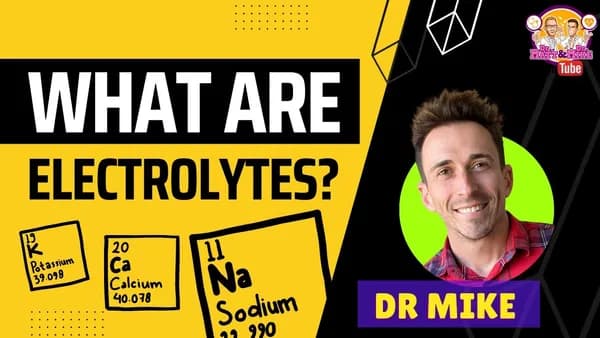
Ever wonder why sports drinks brag about their electrolytes or why your muscles cramp after a workout? I used to think electrolytes were just a gym buzzword until I dove into their chemistry and realized they’re the tiny charged particles orchestrating life inside our cells. Let me take you on a journey from the periodic table to the bustling cellular world where electrolytes keep everything balanced and buzzing. Electrolytes 101: From Atoms to Ions When we talk about electrolytes, we’re really talking about ions—charged atoms or elements that play a crucial role in keeping our bodies functioning smoothly. As Dr. Mike puts it, An ion is a charged atom or element. These ions are the foundation of what we call electrolytes, and understanding them starts with a trip back to the periodic table. The Periodic Table: The Blueprint of Life Out of the 118 elements on the periodic table, only 59 are needed to build a human body. Some of these elements remain neutral, but many exist as charged ions—the true electrolytes essential for our physiology. The periodic table isn’t just a classroom poster; it’s the ingredient list for everything in the universe, including us. Electrolytes Definition and Types Electrolytes are simply ions that help regulate hydration, nerve signals, muscle function, and more. The most important electrolyte types in the body include: Sodium (Na+) Chloride (Cl-) Potassium (K+) Magnesium (Mg2+) Calcium (Ca2+) Other key ions include hydrogen (H+) and bicarbonate (HCO3-), but sodium, chloride, potassium, magnesium, and calcium are the main players. Ion Charges: How Atoms Become Electrolytes So, how do these atoms become ions? It all comes down to ion charges, which arise when atoms gain or lose electrons. Atoms are most stable when their outer electron shells are full, like the noble gases (such as neon and argon) on the far right of the periodic table. Other elements “want” to achieve this stability, so they either lose or gain electrons to mimic the noble gases. Sodium (Na) has an atomic number of 11 (11 protons and 11 electrons). To become stable like neon (atomic number 10), sodium loses one electron, resulting in a net positive charge: Na+. As Dr. Mike says, Sodium will be Na+ after losing one electron. Chlorine (Cl) has an atomic number of 17. To be like argon (atomic number 18), it gains one electron, becoming Cl-. Chlorine becomes Cl- after gaining one. This process of electron transfer is what gives electrolytes their charges and makes them so vital for our cells and overall health. In summary, electrolytes are ions—charged atoms that keep our bodies in balance by achieving stability through electron exchange, guided by the periodic table’s noble gases.How Electrolytes Control Fluid Balance Inside Your Cells Water is often called the universal solvent, and for good reason. Its unique structure—two hydrogens and one oxygen, shaped like a boomerang—gives water partial charges: the hydrogens are slightly positive, and the oxygen is slightly negative. This property allows water to interact with charged particles, or ions, in a very special way. When you dissolve a salt like sodium chloride (table salt) in water, it splits into sodium (Na+) and chloride (Cl-) ions. These ions are what we call electrolytes. The negative oxygen side of water is attracted to the positive sodium, while the positive hydrogen side is drawn to the negative chloride. This creates a dynamic environment where water molecules surround and interact with these ions, allowing them to move freely in solution. This interaction is at the heart of fluid balance and electrolyte function in the body. Electrolytes dictate where water goes inside and outside the cell. The cell membrane is selectively permeable, meaning it controls which ions and how much water can move in or out. The distribution of electrolytes is not random: Sodium is mainly outside the cell. Potassium is mainly inside the cell. Chloride is mostly outside. Magnesium and phosphate are mostly inside. The concentration of these ions creates a balance, measured as osmolarity. Both inside and outside the cell, normal osmolarity is about 300 milliosmoles. This balance is crucial: if the concentration of ions outside the cell increases—say, to 320 milliosmoles—water will be pulled out of the cell, causing it to shrink and dehydrate. As I often say, “If I were to increase the osmolarity outside from 300 to 320, water will be pulled out of the cell.” On the other hand, if the ion concentration inside the cell rises, water will flow in, causing the cell to swell. This movement of water, driven by differences in osmolarity, is known as tonicity. Isotonic solutions match the body’s osmolarity and keep cells stable, while hypertonic or hypotonic solutions can cause dehydration or swelling. This is why electrolyte drinks hydration formulas are designed to support proper osmolarity and fluid balance, helping prevent cell dehydration or swelling.The Sodium-Potassium Pump: The Unsung Hero of Electrolyte Balance When it comes to electrolyte function inside our bodies, the sodium-potassium pump is the real workhorse. Most of the sodium we know sits outside our cells, while most of the potassium is found inside. This uneven distribution is no accident—it’s carefully maintained by a specialized protein called the sodium-potassium ATPase pump. As the name suggests, this pump uses energy from ATP to move ions against their natural gradient. To quote directly: There is a pump that sits in the wall of these cells and its job is to throw three sodium outside of the cell and exchange it for two potassium. In simple terms, for every three sodium ions (Na+) it pushes out, it brings in two potassium ions (K+). This process is constant and energy-demanding, but it’s absolutely vital for our cells to function. The result of this activity is a high concentration of sodium outside the cell and a high concentration of potassium inside. This creates a difference in charge across the cell membrane, with more positive charges on the outside than the inside. As a result, the inside of the cell is slightly negative compared to the outside. This difference is known as the resting membrane potential. As the source material puts it: This charge difference is called the resting membrane potential. Why does this matter? The resting membrane potential is the foundation for how our muscles contract and how our nervous system sends signals. When a nerve or muscle cell needs to “fire,” special sodium channels in the membrane open up. Sodium rushes in, driven by its concentration gradient, and the inside of the cell becomes more positive—this is what excites the cell and allows it to transmit signals or contract. It’s important to note that the cell membrane itself is made of a phospholipid bilayer, which acts as a barrier. Charged ions like sodium and potassium can’t freely cross this fatty layer. Potassium does have “leaky” channels that allow it to slowly exit the cell, but sodium channels are usually closed unless the cell is stimulated. Sodium-potassium pump moves 3 Na+ out, 2 K+ in, using ATP. Maintains electrolyte balance and creates the resting membrane potential. Essential for muscle function and nervous system function. Ion gradients are protected by the cell membrane and selective channels. Without the sodium-potassium pump, diffusion would quickly erase these vital differences, and our cells would lose their ability to communicate and contract. This pump truly is the unsung hero behind every heartbeat and thought.When Electrolytes Go Awry: Imbalance and Its Consequences Electrolyte imbalance is more than just a buzzword—it’s a real shift in the delicate balance of ions that keeps our cells functioning. The concentration of electrolytes inside and outside our cells, known as osmolarity and tonicity, determines how water moves across cell membranes. When this balance is disrupted, the consequences for cellular hydration and overall health can be significant. Let’s break down what happens when things go wrong: Isotonic Solutions: These have the same osmolarity as our bodily fluids—about 300 milliosmoles. When you see isotonic on an electrolyte drink, it means the solution matches your body’s ion concentration. As a result, “it’s not going to influence the water going inside or outside of your cells at all.” This helps maintain electrolyte homeostasis and supports hydration without causing fluid shifts. Hypertonic Solutions: If you ingest a hypertonic solution—say, one with an osmolarity of 320 milliosmoles—the concentration of ions outside your cells is higher than inside. As described, If you ingest a hypertonic solution, it means it’s going to be greater than around about 300 milliosmoles, and water will move out of the cell, dehydrating it. This cellular dehydration impairs cell function and can lead to symptoms like muscle cramps, weakness, and even neurological or cardiac issues. Hypotonic Solutions: The opposite scenario occurs with hypotonic solutions, where the ion concentration is lower than inside the cell. Water rushes into the cell, causing it to swell. This can result in cell damage and potentially lead to extracellular dehydration, which also disrupts normal body functions. Electrolyte imbalance can result from illness, dehydration, diet, or certain medications. The symptoms are often easy to miss at first—muscle cramps, fatigue, confusion, or irregular heartbeat—but they signal that the body’s fluid and ion distribution is off. As I’ve learned, At the end of the day, the purpose of having ions distributed inside and outside the cell is that it controls fluid balance. This balance is vital for muscle contraction, nerve signaling, and maintaining pH levels. Understanding the difference between isotonic, hypertonic, and hypotonic solutions is crucial, especially for athletes and anyone using electrolyte drinks for hydration. Choosing the right type helps restore balance and supports optimal health without risking further imbalance.Wild Card: Electrolytes and Everyday Life – A Personal Reflection I used to think electrolytes were just a gym buzzword until I realized they’re the tiny charged particles orchestrating life inside our cells. My perspective changed the day I finished a long run and felt my calf seize up in a painful cramp. That moment, I learned firsthand about electrolyte importance—it wasn’t just dehydration, but an imbalance in the ions that help my muscles contract and relax. Suddenly, those brightly colored electrolyte drinks on store shelves weren’t just clever marketing; they were a response to real, measurable needs in our bodies. Electrolytes like sodium, potassium, magnesium, and calcium are more than just names on a nutrition label. They are, quite literally, the spark of life inside our cells. I like to think of them as tiny messengers, constantly signaling whether our cells need more water or if they’re ready to fire off a muscle contraction. When we sweat, especially during exercise or on hot days, we lose not just water but these essential ions. That’s why rehydration isn’t just about drinking water—it’s about restoring the right balance of electrolytes, too. Understanding this connection between hydration, muscle function, and nutrition science has made me more curious about what’s really happening inside my body. It’s fascinating to realize that every time I reach for a glass of water or a sports drink, I’m participating in a delicate dance of chemistry. The science behind electrolyte balance isn’t just for athletes or medical professionals—it’s relevant to all of us, every day. Even small shifts in these ions can affect how we feel, how we move, and how our bodies perform. Now, when I make choices about what to eat or drink, I think about more than just calories or taste. I consider how my body will use those nutrients to keep my cells hydrated and my muscles working smoothly. Knowing about electrolyte balance has empowered me to make better decisions for my health and well-being. It’s a reminder that the periodic table isn’t just a chart on a classroom wall—it’s the recipe for life, and electrolytes are some of its most vital ingredients. The next time you feel a muscle cramp or reach for a drink after a workout, remember: those tiny ions are working hard to keep you going. TL;DR: Electrolytes are charged ions like sodium and potassium essential for your body's fluid balance, muscle function, and nerve signals. They work through mechanisms such as the sodium-potassium pump to keep cells hydrated and energized. Imbalances can disrupt health, so understanding their roles and how hydration solutions interact with your body is key.

GS

Grace Smith

Dec 8, 2025 11 Minutes Read

Electrolytes Demystified: The Spark of Life Inside Your Cells Cover
Electrolyte Imbalance Symptoms: What Happens When Your Body Runs Dry? Cover

Dec 8, 2025

Electrolyte Imbalance Symptoms: What Happens When Your Body Runs Dry?

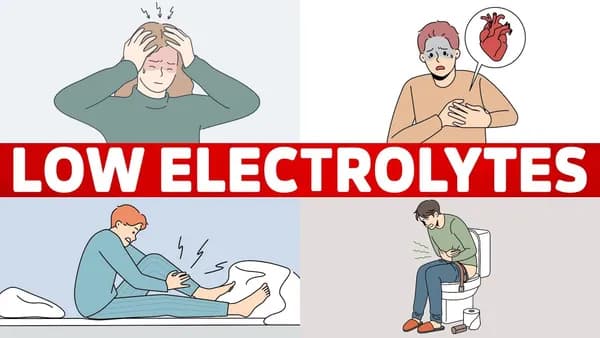
Ever wondered what truly happens inside your body when electrolytes run low? I remember the time my pulse raced out of nowhere after a carb-heavy meal—turns out, electrolyte deficiency was the culprit. Electrolytes aren’t just minerals; they’re the silent electrical power powering every cell, nerve, and muscle. Let’s dive into the electrifying world of electrolyte imbalance symptoms and why keeping them in check matters more than you might think. The Hidden Electrical Symphony: How Electrolytes Power Your Body When we talk about electrolyte levels, we’re really talking about the foundation of your body’s electrical system. Electrolytes are charged minerals—like sodium, potassium, calcium, magnesium, and chloride—that keep your body’s internal “wiring” running smoothly. Without them, your nerves, muscles, and even your brain would lose their ability to communicate and function. This hidden electrical symphony is what keeps you moving, thinking, and even alive. Electrolytes: The Body’s Natural Conductors To understand how electrolyte imbalance effects your body, it helps to know what electrolytes actually do. These minerals dissolve in your body’s fluids and carry an electrical charge. This charge is what allows them to: Balance water levels inside and outside your cells Transmit nerve signals throughout your body Trigger muscle contractions—including your heartbeat Support brain function and other vital processes Think of electrolytes as the “wires” and “switches” in your body’s electrical system. When your electrolyte levels are just right, everything works in harmony. But if you run low, the system starts to break down. What Happens When Your Body Runs Dry? If you were to run out of electrolytes completely, the consequences would be fatal. But even a small drop can cause a range of problems. The main thing that happens is you lose the electrical power that runs your nerves, muscles, and cells. This is why symptoms of electrolyte imbalance can be so varied and serious, including: Fatigue and weakness Muscle cramps or spasms Irregular or rapid heartbeat Confusion or brain fog Numbness or tingling Seizures (in severe cases) All these symptoms come back to one thing: your body’s electrical circuits aren’t working the way they should. A Simple Experiment: Seeing Electrolytes in Action To really see how electrolytes work, let’s imagine a quick experiment. Picture a light bulb connected to a power source by two wires. If you cut one of the wires and put the ends into a glass of distilled water, nothing happens. The bulb stays dark. That’s because distilled water has no minerals—no electrolytes—so it can’t conduct electricity. Now, imagine adding a scoop of electrolytes to the water and stirring it in. Suddenly, the light bulb turns on. The electrolytes have created a path for electricity to flow, completing the circuit. This is exactly what happens inside your body. Without electrolytes, your nerves and muscles can’t “light up” or send signals. With them, everything works as it should. One of the main purposes of electrolytes in the body is to power the nervous system, which powers the muscles and all the different organs. Why Distilled Water Can’t Power Your Body Distilled water is pure H2O, stripped of all minerals and electrolytes. If you tried to hydrate your body with only distilled water, you’d actually dilute your natural electrolyte levels even further. This would make it even harder for your nerves and muscles to work, and could lead to dangerous electrolyte imbalance effects like heart rhythm problems or muscle weakness. The Essential Electrolytes and Their Roles Electrolyte Main Function Sodium Regulates fluid balance, nerve signals, and muscle function Potassium Supports nerve transmission and muscle contraction Calcium Enables muscle contraction and nerve signaling Magnesium Helps with muscle relaxation and nerve function Chloride Maintains fluid balance and helps with digestion Each of these electrolytes plays a unique role in your body’s electrical system. When they’re out of balance, the entire symphony goes off-key, leading to the symptoms and risks associated with electrolyte imbalance.Causes of Electrolyte Imbalance: From Fasting to Carb Overload Electrolyte imbalance can sneak up on you, and it’s often tied to what you eat, how you hydrate, and even how you exercise. I’ve learned firsthand that our bodies don’t store electrolytes like potassium, magnesium, sodium, chloride, or calcium for long periods. That means we need to replenish them regularly, or we risk running low—sometimes with surprising symptoms. Let’s break down the main electrolyte imbalance causes, from fasting and keto to carb overload and beyond. Prolonged Fasting: Diluting and Depleting Electrolytes One of the fastest ways to create an electrolyte deficiency is through prolonged fasting, especially if you’re only drinking water and not supplementing with electrolytes. When you fast and just drink water, you’re actually diluting the minerals in your body. Since you’re not eating, you’re not bringing in new electrolytes, and your body doesn’t have reserves to fall back on. I’ve noticed that many people are already running on a low tank of electrolytes before they even start fasting. When they jump into a fast, they might quickly feel dizzy, fatigued, or experience symptoms often called “keto flu.” In some cases, people can even pass out. That’s why it’s so important to take electrolytes when fasting, not just water. Switching to Keto: Glycogen Depletion and Electrolyte Loss Starting a ketogenic diet is another common trigger for electrolyte loss. Here’s why: when you stop eating carbs and switch to burning fat for fuel, your body dumps its stored glucose, called glycogen. Stored glucose as glycogen is a fluid-filled sugary substance stored in the liver and muscles; when you dump glycogen, you lose water and electrolytes. For every gram of glycogen, your body stores about three grams of water. So, when you cut carbs, you lose both glycogen and a significant amount of fluid—sometimes as much as 13 pounds of extra water. And with that fluid, you lose electrolytes like potassium, sodium, and magnesium. This is why many people feel weak or lightheaded when starting keto, and why I always recommend supplementing with electrolytes during this transition. High-Carb Diets: Potassium Gets Trapped It might sound surprising, but eating a high-carb diet—especially one loaded with sugar and refined carbs—can also lead to electrolyte imbalance, particularly potassium deficiency. Here’s how it works: when you eat a lot of carbs, your body stores the extra glucose as glycogen, and potassium is needed for this process. The problem is, that potassium gets “locked up” in the glycogen and isn’t always available for your body to use. This means you can actually become functionally deficient in potassium even if you’re consuming enough, simply because it’s trapped in storage. I’ve experienced this myself. Years ago, after a carb-heavy Italian dinner—think pasta, pizza, and bread—I noticed my pulse rate shot up. Looking back, I realize it was likely due to a rapid drop in available potassium, a classic sign of potassium deficiency symptoms. Other Common Causes of Electrolyte Loss Excessive sweating: Whether you’re working out hard or just in a hot environment, sweating can lead to significant electrolyte loss, especially sodium and potassium. Vomiting and diarrhea: Both can rapidly deplete your body’s electrolyte stores, leading to symptoms like muscle cramps, weakness, and confusion. Certain medications: Diuretics, often prescribed for high blood pressure, can cause your kidneys to flush out sodium and potassium, increasing the risk of deficiency. Why Potassium Deficiency Is a Key Concern Potassium is especially important because our bodies need a large amount daily, and it plays a critical role in muscle function, nerve signaling, and heart rhythm. Potassium deficiency symptoms can include muscle cramps, irregular heartbeat, fatigue, and even serious heart issues if left unchecked. Quick Facts and Data The body does not store electrolytes for long periods; they must be replenished regularly. For every gram of glycogen stored, approximately 3 grams of water are stored. An average person might lose up to 13 pounds of extra fluid when glycogen is depleted during keto or fasting. Understanding these electrolyte imbalance causes can help you make smarter choices about your diet, hydration, and lifestyle—especially if you’re making big changes like fasting, starting keto, or increasing your carb intake. Recognizing Electrolyte Deficiency Symptoms: When Your Body’s Power Flickers Electrolytes are the unsung heroes powering every cell in our bodies. They keep our muscles—both skeletal and cardiac—functioning, help us generate energy, and maintain fluid balance. When we run low on electrolytes, our bodies send out warning signs, some subtle and some severe. Recognizing these electrolyte deficiency symptoms early can make all the difference, especially since the consequences can range from mild fatigue to life-threatening complications. One of the first things I notice when my electrolyte levels drop is a general sense of tiredness. This isn’t just ordinary fatigue; it’s a deep, lingering exhaustion that doesn’t go away with rest. As I’ve learned, fatigue is one of the most common symptoms of electrolyte imbalance. Why? Because electrolytes, especially sodium and potassium, are critical for energy production in every cell. As the source material puts it, “They give the body energy. The two minerals, sodium, potassium, work as a major pump to generate a tremendous amount of energy in all the cells.” When these minerals are low, our bodies simply can’t keep up with daily demands, and everything feels harder. Another early warning sign is muscle weakness or even muscle cramps and spasms. I’ve experienced this firsthand, especially during hot weather or after intense exercise. If you’ve ever woken up in the middle of the night with a painful leg cramp, you know how disruptive this can be. These muscle cramps are classic electrolyte deficiency symptoms, often linked to low sodium or potassium. The muscles, including the smooth muscle in our digestive tract, rely on electrolytes to contract and relax properly. That’s why constipation can also be a sign of imbalance—your colon is a muscle too, and it needs electrolytes to function. Sometimes, the symptoms are more dramatic. Dizziness and dehydration often go hand in hand with electrolyte loss, especially if you’re sweating a lot or not drinking enough fluids with electrolytes. I’ve felt lightheaded after long runs or during hot days, and it’s a clear reminder that water alone isn’t enough. As the source explains, “You just don’t have the fluid to run the body. And if we don’t have that, we get dizzy, because we’re dehydrated.” But the heart is where things can get truly dangerous. Electrolytes don’t just power our skeletal muscles; they’re essential for our cardiac muscles too. As the source says, “Electrolytes power muscle, not just your skeletal muscles, but your cardiac muscles; deficiency can cause arrhythmias.” An irregular heartbeat or heart palpitations can be an early sign of trouble. In severe cases, this can progress to dangerous arrhythmias, which are life-threatening. That’s why it’s so important to pay attention to even mild palpitations, especially if you’re losing fluids or following a restrictive diet. Other symptoms can include headaches, which sometimes signal a sodium deficiency. In extreme cases, drinking too much water without replacing electrolytes can cause hyponatremia, a condition where sodium levels drop so low that the brain begins to swell. This is a medical emergency and highlights the importance of balancing water intake with electrolyte replenishment. As the source notes, “You can end up with a severe sodium deficiency that’s called hyponatremia, where the brain actually starts swelling.” Nausea, sometimes called the “keto flu,” is another sign your body’s power is flickering. When starting a ketogenic diet, many people don’t realize how quickly electrolytes can be depleted. That’s why “keto fatigue” is so common—without enough sodium and potassium, energy production drops, and the body struggles to adapt. Finally, in rare but severe cases, electrolyte imbalance can lead to shock or a loss of blood clotting factors, especially if calcium levels drop. These are medical emergencies and require immediate attention. In conclusion, the symptoms of electrolyte imbalance are varied but always important to recognize. From mild fatigue and muscle cramps to severe arrhythmias and brain swelling, these signs are your body’s way of telling you it needs help. Electrolytes are essential for energy, muscle function, and overall health. Don’t ignore the flickers—listen to your body, replenish your electrolytes, and keep your internal power running strong.TL;DR: Running low on electrolytes can cause everything from fatigue and muscle cramps to irregular heartbeat and dizziness. Diets like fasting and keto can quickly deplete these vital minerals, so supplementing them is key to avoiding serious symptoms and staying energized.

11 Minutes Read

Unlocking the Power of Electrolytes: Beyond Your Sports Drink Cover

Dec 8, 2025

Unlocking the Power of Electrolytes: Beyond Your Sports Drink

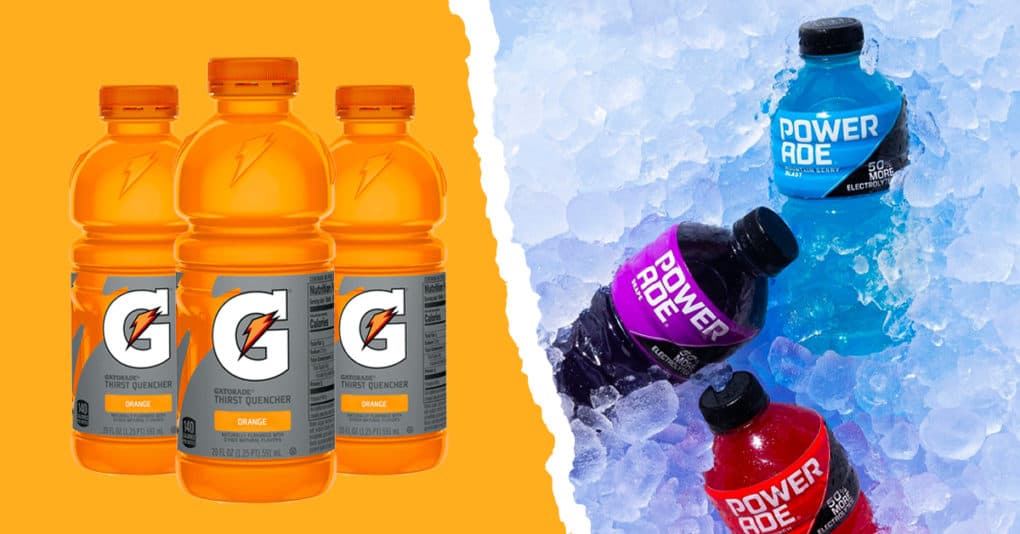
I once glanced at the label of my favorite sports drink and saw 'electrolytes' boldly featured. But what are electrolytes really, and why do they matter beyond just fancy marketing? Curious and a bit skeptical, I dove into the science behind those tiny charged ions and discovered a fascinating world where sodium, potassium, calcium, and others are the unsung heroes orchestrating everything from muscle twitches to heartbeats. Let’s uncover their secrets together. Electrolytes 101: The Invisible Conductors of Your Body When I look at the label on my favorite sports drink, I always see the word "electrolytes" front and center. But what are electrolytes, really, and why do we need them? Electrolytes are ions that carry an electrical charge and travel in and out of cells. These charged particles are the invisible conductors that keep our bodies running smoothly, especially when it comes to nerve signaling and muscle function. What Are Electrolytes? Electrolytes are minerals in your blood and other body fluids that carry an electric charge. The most common electrolytes in the human body include: Sodium (Na+) Potassium (K+) Calcium (Ca2+) Chloride (Cl-) Magnesium (Mg2+) Each of these ions has a specific electrical charge, either positive or negative, and they move in and out of cells to help regulate a variety of essential processes. Electrolyte Functions in Nerve and Muscle Activity One of the most important electrolyte functions is in nerve signaling. Our nerves communicate through tiny electrical signals called action potentials. These signals are generated when sodium and potassium ions move across the cell membrane, switching the cell's charge from negative to positive and back again. This charge switching is like a tiny light switch flipping on and off in every cell, every time you move your fingers or blink your eyes. Here’s a simple breakdown of how this works: Sodium ions rush into the cell, making the inside more positive. Potassium ions flow out, returning the cell to its resting state. This rapid movement of ions creates the action potential, which travels down the neuron like a wave, carrying messages from your brain to your muscles and organs. Without the right balance of electrolytes, these signals can’t be sent properly, which can lead to muscle cramps, weakness, or even more serious health issues. Why Electrolyte Balance Matters Maintaining the right levels of these common electrolytes is crucial for healthy nerve signaling and muscle contraction. Whether you’re running a marathon or just typing on your keyboard, electrolytes are quietly at work, making sure every signal gets through. Electrolytes are ions that carry an electrical charge and travels in and out of cells. Muscle Contraction and Electrolytes: The Calcium Connection When I think about muscle contraction, I always remember how important electrolytes are—especially calcium. The process is more fascinating than it seems on the surface. Our muscles don’t just move on their own; they rely on a delicate balance of electrolytes to function properly. Calcium plays a starring role in this process, and understanding its function can help explain why muscle cramps and weakness sometimes strike after a tough workout. Here’s how it works: When your brain sends a signal for a muscle to contract, that message travels down your nerves and reaches the muscle fiber. At this point, something remarkable happens. As the source material explains, Once this switching signal reaches the muscle fiber, the electrolyte calcium ions flood into the muscle fiber and the muscle contracts. In other words, calcium ions act as the trigger, allowing the muscle fibers to slide past each other and create movement. But what happens if you don’t have enough electrolytes, like calcium, potassium, or sodium? The answer is simple but important: If you have lower electrolyte concentrations, this can lead to weaker and inefficient muscle contractions. I’ve noticed this myself after intense exercise sessions. Those unexpected muscle cramps or feelings of weakness are often my body’s way of signaling that my electrolyte levels might be off balance. Calcium’s role in muscle contraction: Calcium ions are essential for the contraction process. Without enough calcium, the muscle fibers can’t contract efficiently. Impact of low electrolytes: Not just calcium, but low potassium and sodium can also cause muscle weakness and cramps. Electrolyte balance is key for smooth, powerful movements. Personal experience: After a sweaty workout, I sometimes feel muscle cramps. Now I realize it’s often my electrolytes, especially calcium, waving a red flag. Maintaining the right balance of electrolytes, with a special focus on calcium, is crucial for anyone who wants to keep their muscles working at their best. Whether you’re an athlete or just someone who enjoys staying active, paying attention to your electrolyte intake can make a noticeable difference in how your muscles feel and perform.When Electrolyte Levels Drop: Signs and Risks Electrolytes play a crucial role in keeping our bodies functioning smoothly, but it’s easy to overlook just how quickly things can go wrong when their levels fall out of balance. Electrolyte imbalance symptoms can range from mild discomfort to life-threatening emergencies, especially when it comes to potassium and sodium. Potassium Low Levels: More Than Just Fatigue Potassium is essential for heart and muscle function. When potassium levels drop—something that can happen due to excessive alcohol use, constant vomiting, or even a combination of both—the effects can be serious. As I’ve learned, low potassium can also lead to irregular heartbeat and, in severe cases, cardiac arrest. This isn’t just a minor inconvenience. An irregular heartbeat, or arrhythmia, can be life-threatening if not addressed quickly. Low potassium... can also lead to irregular heartbeat and in severe cases cardiac arrest. Some common causes of potassium low levels include: Heavy alcohol consumption Prolonged vomiting or diarrhea Certain medications (like diuretics) Sodium Low Levels: The Hidden Danger of Dehydration Sodium is another key electrolyte that helps regulate fluid balance and nerve function. Dehydration is a major cause of sodium low levels, especially after intense exercise or heat exposure. I once knew someone who suffered severe muscle cramps after a long hike in hot weather—classic signs of sodium depletion. The symptoms can start small, but quickly become dangerous. Low sodium can lead to loss of energy, muscle cramps, and even comas. Low sodium... can lead to loss of energy, muscle cramps and even comas. Watch for these electrolyte imbalance symptoms: Muscle cramps or spasms Unusual fatigue or weakness Confusion or trouble concentrating Irregular heartbeat Severe cases: fainting or coma Why Monitoring Electrolytes Matters Both potassium and sodium are vital for heart, muscle, and nerve health. Ignoring the early signs of an electrolyte imbalance can lead to serious consequences, including cardiac arrest or coma. Staying aware of the risks and symptoms—especially after illness, heavy sweating, or alcohol use—can make all the difference in protecting your health.Beyond Muscles and Nerves: Multifaceted Roles of Electrolytes When I think about electrolytes, the first things that come to mind are usually muscle contraction and nerve signals. But the truth is, electrolyte functions go far beyond just keeping our muscles and nerves in check. Each electrolyte has its own unique set of roles—almost like a “side gig” that’s just as important as its main job. Calcium’s Role: More Than Just Strong Bones We often hear about calcium for healthy bones and teeth, but its impact is much broader. For example, calcium helps with blood clotting and bone density. This means that when I get a cut, it’s calcium that helps my blood form a clot and stop the bleeding. Plus, calcium is always working behind the scenes to keep my bones strong and dense, supporting my body’s structure every day. So, the calcium role is not just about muscle contraction—it’s also about keeping my blood and bones healthy. Chloride: The Unsung Hero of Water Balance Chloride is another electrolyte that deserves more attention. It usually teams up with sodium, and together, they help control the movement of water in and out of my cells. As the saying goes, chloride usually hangs out with sodium and helps transfer water in and out of cells. This balance is crucial for keeping my cells hydrated and maintaining the right fluid levels throughout my body. Without chloride doing its job, my body would struggle to manage hydration and blood pressure effectively. Magnesium Importance: Powering Enzymes and Metabolism Magnesium is often overlooked, but its importance can’t be overstated. Magnesium is used to make enzymes function, which means it’s involved in hundreds of biochemical reactions. From energy production to DNA repair, magnesium supports enzyme functions that keep my metabolism running smoothly. Without enough magnesium, many of these essential processes would slow down or stop altogether. Calcium aids blood clotting and bone strength, not just muscle contraction. Chloride works with sodium to regulate water movement in and out of cells. Magnesium supports enzyme functions, crucial for many biochemical reactions. It’s clear that the roles of electrolytes like calcium, chloride, and magnesium extend far beyond what we usually hear about. They are essential for a wide range of bodily functions, making electrolyte balance vital for overall health.Hydration Choices: Sports Drinks, Coconut Water, and What Works Best When it comes to hydration sources, there’s a lot of debate about what works best—especially after intense exercise. For years, I reached for sports drinks after long runs, trusting their promise of quick hydration and electrolyte replacement. These colorful drinks are everywhere, and it’s true that they offer more than just water after a sweaty workout. Sports drinks hydration comes from added electrolytes like sodium and potassium, which help replenish what you lose through sweat. But there’s a catch: these drinks are often loaded with sugars and calories, and these sports drinks don't have all the electrolytes your body needs. After one particularly grueling marathon, I decided to try something different. I switched to coconut water, curious about its reputation as a natural electrolyte powerhouse. Coconut water electrolytes are naturally occurring and include not just sodium and potassium, but also magnesium and calcium. In fact, coconut water not only has all the electrolytes you need, but higher amounts as well. I noticed a real difference—less leg cramping, faster recovery, and none of the sticky aftertaste or sugar crash I sometimes got from sports drinks. Comparing these hydration sources, it’s clear that both have their place. Sports drinks can be helpful when you need a quick boost, especially during long or intense sessions where you’re sweating heavily. However, the added sugars and limited range of electrolytes mean they’re not always the best choice for every situation. If you’re watching your calorie intake or want a more natural option, coconut water is a strong contender. Its comprehensive mix of electrolytes supports recovery and hydration without unnecessary additives. Ultimately, the best hydration choice depends on your needs and preferences. For me, making the switch to coconut water after tough workouts has made a noticeable difference in how I feel and recover. Whether you stick with sports drinks, try coconut water, or even mix the two, understanding what each offers can help you unlock the real power of electrolytes—beyond your sports drink.TL;DR: Electrolytes are charged ions essential for nerve communication, muscle movement, and fluid balance. Key electrolytes like sodium, potassium, and calcium enable these processes. Imbalances can lead to serious health issues, so choosing hydration sources wisely—like coconut water or the right sports drink—can help maintain this delicate balance.

10 Minutes Read

Unveiling the World of Salts: Beyond the Table Crystal Cover

Dec 8, 2025

Unveiling the World of Salts: Beyond the Table Crystal

I used to think salt was just the plain white stuff on my dinner table, something that simply makes food tasty. But a recent chat with my chemistry-loving friend made me realize salts are far more complex and colorful than I ever imagined. Turns out, 'salt' is a huge family of compounds with unique properties and some surprising uses. So, buckle up for a little journey into the salty world that goes well beyond your shaker! A World Beyond Table Salt: Types and Families of Salts When most people hear the word “salt,” they immediately think of the familiar white crystals of table salt, or sodium chloride. But as I’ve learned, salts actually refers to a very large family of compounds, many with quite different properties and uses to table salt. The world of salts is much broader and more colorful than you might expect. What Is a Salt? The Basics At its core, a salt is an ionic compound. This means it’s made up of two parts: positively charged ions called cations and negatively charged ions called anions. Together, these ions form an electrically neutral compound. In most common examples, the cation is a metal, often from group 1 or group 2 of the periodic table, while the anion is usually a halide (from group 7) or a similar group 6 element. Types of Salts: More Than Just Sodium Chloride Salts can be classified into several families based on their chemical composition and the reactions that form them. Here are some of the main types of salts: Inorganic Salts: These are the most familiar, like sodium chloride. They typically involve simple metal cations and non-metal anions. Examples include potassium chloride and calcium sulfate. Organic Salts: Not all salts are purely inorganic. When the ions are polyatomic (made of more than one atom), such as ammonium (NH4+), we get organic salt variants. Ammonium salts are common in fertilizers and household cleaners. Families of Salts: Acidic, Basic, Double, and Mixed Salts are further grouped by their chemical behavior: Acidic Salts: Formed when a strong acid reacts with a weak base. They can release hydrogen ions in water. Basic Salts: Produced from a strong base and a weak acid, these can release hydroxide ions in solution. Double Salts: Contain two different cations or anions, such as alum (KAl(SO4)2·12H2O). Mixed Salts: Have more than one type of anion or cation, often formed from a mixture of acids or bases. Colorful and Unusual Salts Not all salts are colorless or white. In fact, many are strikingly colorful due to the metal ions they contain. Here are a few inorganic salts examples that stand out: Sodium chromate: Bright yellow crystals, often used in dyes and laboratory tests. Potassium permanganate: Deep purple, commonly used as a disinfectant and in pyrotechnics. Iron disulfide (Fool’s gold): Shiny and metallic, this mineral salt is famous for its gold-like appearance. These colorful salts are not just visually interesting—they have practical uses in industries ranging from dyes to fireworks. The variety in appearance and function comes from the different combinations of cations and anions, as well as the presence of polyatomic ions. Salts actually refers to a very large family of compounds, many with quite different properties and uses to table salt. So, while table salt is the most familiar, the world of salts includes a diverse array of compounds with unique colors, structures, and uses. Whether acidic, basic, double, or mixed, salts play essential roles in chemistry and daily life.More Than Just Salty: Exploring Salt Properties and Tastes When most people think of salt, they imagine the familiar white crystals of table salt and expect a salty taste. However, the world of salts is far more diverse, both in flavor and in physical properties. In fact, one of the most common misconceptions is that all salts taste salty. This is not true—salts can taste bitter, sweet, or have no taste at all, depending on their chemical makeup. Taste Diversity: Beyond Salty Salts are made from the combination of positively charged ions (cations) and negatively charged ions (anions). This ionic composition directly influences their taste. For example, some salts taste bitter, while others can even taste sweet. As the saying goes, Some taste bitter, and some even taste sweet, like lead diacetate. Lead diacetate, sometimes called "sugar of lead," is a rare example of a sweet-tasting salt. However, it is highly poisonous and not meant for consumption. This wide range of flavors debunks the myth that all salts are simply salty. Colorful and Varied Appearances Salts are not always white or transparent. Their appearance can range from colorless crystals to vibrant hues and even metallic sheens. The color of a salt often comes from the metal ion it contains. For instance: Sodium chromate – bright yellow Potassium permanganate – deep purple Diazonium salts – a family of brightly colored compounds used as dye pigments for textiles These colored salts are not just visually striking—they also play important roles in industries, from dyeing fabrics to creating the brilliant colors in fireworks. Salt Solubility: From Easily Dissolved to Stubbornly Solid Another essential salt property is solubility. Not all salts dissolve equally well in water. Their solubility depends on the ions they contain: Highly soluble: Salts with sodium, potassium, ammonium, or nitrate ions dissolve readily in water. Sparingly soluble: Some salts dissolve only a little, leaving most as solid crystals. Insoluble: Most carbonate salts do not dissolve in water at all. This classification is crucial in both industry and cooking, as it affects how salts are used and how they interact with other substances. Electrolytes Conductivity: Salts in Solution One of the most important salt properties is their ability to conduct electricity when dissolved in water. When salts dissolve, they break apart into ions, which move freely and carry electrical current. This property makes them essential electrolytes in our bodies and in many chemical processes. For example, sodium chloride (table salt) and potassium chloride are key electrolytes that help regulate nerve signals and hydration. The Link Between Structure and Function Ultimately, the taste, color, solubility, and electrolytes conductivity of a salt all stem from its unique ionic structure. Whether a salt is used for seasoning food, coloring fabrics, or powering biological processes, its properties are determined by the specific combination of ions it contains. Exploring these differences reveals a fascinating world far beyond the simple table crystal.The Chemistry Behind Salt Formation: Reactions and Monitoring When we think of salt, the first thing that comes to mind is often the white crystals we sprinkle on our food. However, salt formation is a fascinating process that goes far beyond the kitchen. At its core, salt formation is rooted in simple yet powerful chemistry. The most common way salts are formed is through acid-base salt formation, a process known as neutralization. As you might recall from chemistry class, An acid plus a base gives you a salt and water. This reaction is the foundation of many salt formation reactions, especially for inorganic salts. Classic Acid-Base Salt Formation Reaction One of the best-known examples of this process is the reaction between hydrochloric acid (HCl) and sodium hydroxide (NaOH). When these two clear, water-soluble substances mix, they react to form sodium chloride (NaCl)—common table salt—and water. The chemical equation looks like this: HCl (aq) + NaOH (aq) → NaCl (aq) + H2O (l) All the reactants and products dissolve in water, so the solution remains clear throughout the reaction. This makes it tricky to see the progress of the reaction with the naked eye. Monitoring Salt Formation: Titration and pH Indicators To ensure the reaction is happening and to control it, chemists use a method called titration. As the base is gradually added to the acid, the pH of the solution changes. You would monitor the pH of the solution while you add the base gradually to the acid by titration. At the start, the solution is strongly acidic, with a pH around 1-2. As the base neutralizes the acid, the pH rises. To make these changes visible, a pH indicator like methyl orange is often used. Methyl orange is orangey-red in acidic solutions and turns yellow as the solution becomes basic. This color change provides a clear signal that the neutralization—and thus salt formation—is complete. Crystallizing the Salt Once the reaction is finished, the next step is to isolate the salt. By evaporating the water from the solution, sodium chloride crystals are left behind on the sides of the reaction vessel. This process reveals the solid salt that was dissolved in the mixture. Alternative Salt Formation Reactions While acid-base reactions are the most common, salts can also form through other chemical processes. For example: Metal + Acid: Many metals react with acids to produce a salt and hydrogen gas. Metal + Non-metal: Direct combination of a metal and a non-metal can yield salts with different solubilities. These reactions also result in electrically neutral ionic compounds, which are the hallmark of salts. Industrial Salt Production: Mining and Evaporation Despite the elegance of laboratory synthesis, industrial salt production rarely relies on chemical reactions. Instead, most sodium chloride is obtained by mining rock salt from underground deposits or by evaporating seawater. As the source material notes, "we wouldn't ever have to create table salt this way in industry, because nature does the chemistry for us." In summary, salt formation is a process that can be carefully controlled and monitored in the lab using titration and pH indicators, but on an industrial scale, nature’s own processes—mining and evaporation—are the main sources of the salt we use every day.Colorful Chemistry: Unconventional Salt Uses in Dyes and Fireworks When we think of salts, the first image that often comes to mind is the familiar white crystals on our dining tables. However, the world of salts extends far beyond seasoning our food. Some of the most fascinating and colorful uses of salts appear in places we might not expect—like the clothes we wear and the fireworks that light up our skies. These colorful salts uses reveal a vibrant side of chemistry, where science meets art and industry. One remarkable family of salts is the diazonium salts. Unlike the simple table salt, diazonium salts contain nitrogen in their cations, and they are known for being brightly colored. In fact, “the answer is they're used for dye pigments to color our clothes.” These salts are essential in the textile industry, where they help create the vivid hues we see in fabrics and garments. The secret behind their color lies in their unique chemical structure, which allows them to absorb and reflect specific wavelengths of light, resulting in intense and lasting pigments. Thanks to salts in dyes, our clothing can display a spectrum of colors that would be impossible to achieve otherwise. The story of colorful salts doesn’t end with textiles. If you have ever marveled at a fireworks display, you have witnessed another spectacular use of salts. The dazzling reds, greens, blues, and purples that paint the night sky are not just random bursts of light—they are the result of burning the salts of various metals. As the quote goes, “the bright colors you can see in fireworks are produced by burning the salts of various metals.” When these metal salts are heated, their metal ions become excited and release energy as visible light. Each metal ion emits a characteristic color: strontium salts create deep reds, barium salts produce greens, copper salts give off blues, and sodium salts shine with bright yellows. This phenomenon, known as flame coloration, is a beautiful example of how chemistry can transform simple compounds into a visual spectacle. What makes these applications so special is how they connect chemistry with culture and creativity. The diverse colors of salts stem from their metal ion content, and this property is harnessed both in the manufacturing of dyes and in the artistry of fireworks. It’s a reminder that salts are not just about taste or solubility—they are key players in industries that touch our daily lives and celebrations. The use of salts in dyes and fireworks exemplifies how practical chemistry can be both useful and awe-inspiring, bringing color to our world in ways that go far beyond the kitchen. In conclusion, the unconventional uses of salts in dyes and fireworks highlight the incredible versatility of these compounds. From the vibrant clothes we wear to the breathtaking fireworks displays we enjoy, salts play a crucial role in adding color and excitement to our lives. As we unveil the world of salts, it becomes clear that their true value lies not just in their chemical properties, but in their ability to bridge science, art, and industry in the most colorful ways imaginable.TL;DR: Salts are not just simple white granules but a large and varied group of ionic compounds with fascinating colors, tastes, and uses. They form through acid-base reactions, have different solubilities, conduct electricity as electrolytes, and appear everywhere—from your kitchen to fireworks displays.

11 Minutes Read

DIY Homemade Electrolyte Water Recipe: A Simple & Cost-Effective Hydration Boost Cover

Dec 8, 2025

DIY Homemade Electrolyte Water Recipe: A Simple & Cost-Effective Hydration Boost

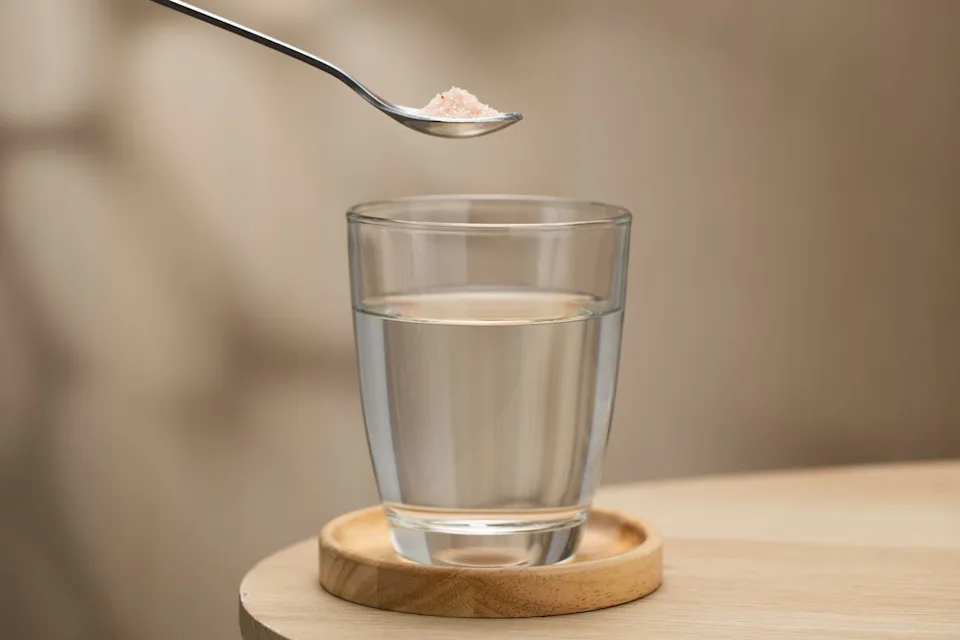
Have you ever bought electrolyte water only to grimace at the price tag? I’ve been there too — spending more on fancy bottled drinks than I care to admit. One summer, after a grueling hike left me dehydrated and exhausted, I decided there had to be a better (and cheaper) way. That’s when I stumbled upon a simple DIY electrolyte water recipe using just a few pantry staples. Since then, it’s been my go-to refreshment, perfect for hot days and workout recovery alike. Why Choose Homemade Electrolyte Water? Electrolyte water is well-known for its ability to help flush out toxins and support overall hydration. But if you’ve ever browsed the beverage aisle, you know that store-bought electrolyte drinks can get expensive, especially if you use them regularly. I mean, I’ve seen some of these in the stores and it gets pricey after a time. That’s why I started looking into cost-effective electrolyte water alternatives that I could make at home. Store-Bought vs. Homemade: The Cost Factor One of the main reasons I switched to homemade electrolyte drinks is the cost. Store-bought electrolyte water can cost upwards of $2-$3 per bottle. If you’re drinking one every day, that adds up quickly. On the other hand, the basic ingredients for DIY electrolyte water—like Himalayan salt, honey, and lemon—are relatively inexpensive and last a long time. This makes homemade options much more budget-friendly, especially for families or anyone who needs to hydrate often. Store-bought: $2-$3 per bottle Homemade: A few cents per serving When you make your own, you’re not only saving money, but you’re also getting more control over what goes into your drink. Customizable and Natural Ingredients Another big benefit of homemade electrolyte water is the ability to customize your drink. You can adjust the flavors, sweetness, and saltiness to your liking. More importantly, you can use natural ingredients and avoid the artificial additives and excessive sugars that are common in many commercial electrolyte drinks. I like knowing exactly what I’m putting into my body, and making my own drinks gives me that peace of mind. No artificial colors or flavors No unnecessary preservatives Control over sugar content Many store-bought options contain artificial colors, flavors, and sweeteners. With homemade recipes, you can keep things simple and natural, which is better for your health and hydration. Electrolyte Water Benefits: Hydration and Toxin Elimination We know that electrolyte water benefits include helping to flush out toxins and supporting your body’s natural elimination processes. Proper hydration is key for energy, focus, and overall well-being. When you make your own electrolyte water, you can be sure you’re getting these benefits without any unwanted extras. Electrolyte water we know helps to flush out toxins, but it can get expensive, right? I mean, I’ve seen some of these in the stores and it gets pricey after a time. For anyone who uses electrolyte drinks frequently—whether for workouts, recovery, or daily hydration—homemade electrolyte water is a smart, cost-effective, and healthy alternative. It’s easy to make, gentle on your wallet, and free from unnecessary additives.Ingredients for a Refreshing DIY Electrolyte Drink When it comes to staying hydrated, making your own electrolyte water at home is both simple and cost-effective. I find that using a few natural ingredients not only boosts hydration but also adds extra health benefits. Here’s what you need to create a refreshing and nourishing electrolyte drink. Purified Water vs Filtered Water: The Best Base for Hydration The foundation of any good electrolyte water is clean, safe water. I always start with either purified or filtered water. Both options help remove impurities and contaminants, but there are some differences: Purified water is processed to remove almost all minerals and impurities, making it very clean. Filtered water passes through a filter to reduce chlorine, heavy metals, and some bacteria, but may retain some beneficial minerals. Whether you choose purified or filtered water, the goal is to ensure your electrolyte drink is as clean and safe as possible. I usually use about 1 liter as the base for my recipe. Himalayan Salt: Essential Minerals for Electrolyte Balance Next, I add Himalayan salt to the water. As mentioned, And to that, add Himalayan salt. This pink salt is more than just a seasoning—it’s packed with essential trace minerals like sodium, potassium, and magnesium, all of which are vital for maintaining electrolyte balance and proper hydration. I typically use 1/4 teaspoon per liter of water. The minerals in Himalayan salt support nerve function, muscle contraction, and help your body retain fluids more effectively. Lemon Juice: Natural Vitamin C and Antioxidants For a burst of flavor and extra nutrition, I squeeze in the juice of half a fresh lemon. As I like to say, Maybe a little bit of lemon to it. Lemon juice is rich in vitamin C and antioxidants, which help protect your cells from damage and support your immune system. The natural tang also makes the drink more enjoyable, encouraging you to stay hydrated throughout the day. Honey: Mild Sweetness and Antimicrobial Benefits If you prefer a touch of sweetness, a teaspoon of honey is a great addition. As I often mention, A tiny bit of honey. Honey not only enhances the flavor but also offers antimicrobial properties and a gentle energy boost. It’s a natural way to make your electrolyte drink more palatable, especially if you’re not a fan of plain salty water. Typical DIY Electrolyte Water Recipe Proportions Ingredient Amount (per 1 liter water) Purified or Filtered Water 1 liter Himalayan Salt 1/4 teaspoon Lemon Juice Juice of 1/2 lemon Honey 1 teaspoon (optional, to taste) These simple ingredients for electrolyte water not only hydrate but also provide a range of health benefits. Himalayan salt delivers essential minerals, lemon offers antioxidants, and honey brings natural sweetness and antimicrobial effects. Adjust the proportions to suit your taste and hydration needs.How to Prepare and Store Your Homemade Electrolyte Water Learning how to make electrolyte water at home is both simple and cost-effective. I’ve found that with just a few basic ingredients and the right storage methods, I can enjoy fresh, homemade electrolyte drinks every day without the high price tag of store-bought options. Here’s my step-by-step approach to electrolyte water preparation and storage. Step-by-Step Electrolyte Water Preparation Start with Clean Water: Use filtered or purified water as your base. This ensures your drink is free from impurities and tastes fresh. Add Key Ingredients: For a simple homemade electrolyte water recipe, I typically use: 1 liter of filtered water 1/4 teaspoon of Himalayan salt (for essential minerals) Juice from half a lemon (for vitamin C and flavor) 1 teaspoon of honey (for a touch of natural sweetness and quick energy) Mix Thoroughly: Stir or shake the mixture well until the honey is completely dissolved and the salt is evenly distributed. This step is important for both taste and effectiveness. As I like to say, “Mix that up, have a huge batch, stick it in your refrigerator and carry it with you wherever you go.” Batch Preparation for Convenience One of the best parts of making homemade electrolyte drinks is the ability to prepare a large batch at once. I usually multiply the recipe above to fill a large pitcher or several bottles. This saves time and ensures I always have a refreshing hydration boost ready whenever I need it. Proper Electrolyte Water Storage Use Clean, Airtight Containers: After mixing, pour your electrolyte water into clean glass bottles or BPA-free plastic containers. Make sure the lids seal tightly to keep out contaminants and preserve freshness. Refrigerate Immediately: Store your batch in the refrigerator as soon as it’s prepared. Refrigeration is key to maintaining the safety and quality of your drink. It also helps the flavors blend together nicely. Consume Within 3-5 Days: For optimal taste and safety, I recommend drinking your homemade electrolyte water within 3 to 5 days of preparation. This timeframe ensures the ingredients remain fresh and effective. On-the-Go Hydration Made Easy One of the main reasons I love making my own electrolyte water is the convenience. I simply pour some into a reusable water bottle and take it with me to work, the gym, or while running errands. This makes it easy to stay hydrated and refreshed throughout the day. Mix that up, have a huge batch, stick it in your refrigerator and carry it with you wherever you go. That's another home easy way to make electrolyte water. With this straightforward approach to electrolyte water storage and preparation, staying hydrated has never been easier or more affordable.Wild Card: Imagining the Perfect Electrolyte Water Experience Sometimes, the best way to appreciate the benefits of electrolyte water is to simply imagine how it fits into your daily life. Picture this: it’s a bright, sunny afternoon and you’re heading out for a hike. In your backpack, you’ve packed a chilled bottle of your own homemade electrolyte drink, made with natural ingredients for hydration. As you reach the top of a hill, you pause to take a sip. The subtle tang of fresh lemon and the gentle sweetness of honey make each mouthful feel like a reward, not just a necessity. There’s something special about knowing exactly what you’re putting into your body. When I first started looking for ways to stay hydrated, I noticed how quickly the cost of store-bought electrolyte drinks added up. I’ve been there too — spending more on fancy bottled drinks than I care to admit. But when I learned how easy it was to make my own, using just filtered water, a pinch of Himalayan salt, a squeeze of lemon, and a touch of honey, everything changed. Not only did I save money, but I also felt better about what I was drinking. No artificial additives, no unnecessary sugars—just pure, simple hydration. Imagining these real-life moments helps reinforce why homemade electrolyte drinks are such a great choice. Whether you’re working out, spending the day outdoors, or just trying to stay refreshed at your desk, having a batch of your own electrolyte water in the fridge makes healthy hydration effortless. The process is so simple that it becomes a habit, and soon enough, you’ll find yourself reaching for your homemade blend instead of a store-bought bottle. There’s also a sense of pride that comes from making something yourself. Each time I mix up a new batch, I know I’m giving my body the minerals it needs to flush out toxins and stay balanced. It’s a small act of self-care that pays off in how I feel throughout the day. Plus, the flexibility of homemade electrolyte water means you can adjust the flavors and ingredients to suit your own tastes—maybe a little more lemon for zing, or a hint of honey for extra smoothness. At the end of the day, the perfect electrolyte water experience is about more than just hydration. It’s about making conscious choices, enjoying the process, and savoring the results. By choosing natural ingredients for hydration, you’re not only supporting your body’s needs, but also creating a routine that’s both healthy and enjoyable. So next time you’re heading out, imagine that bottle of homemade electrolyte water by your side—refreshing, nourishing, and made just the way you like it. With a little creativity and a few simple ingredients, you can turn everyday hydration into something truly special. Give it a try, and see how easy it is to make your own electrolyte water experience a part of your healthy lifestyle.TL;DR: Making your own electrolyte water at home is quick, affordable, and healthier than store-bought options. With basic ingredients like Himalayan salt, filtered water, lemon, and honey, you can enjoy a refreshing drink that helps flush toxins and supports hydration naturally.

10 Minutes Read

Electrolyte Drinks for Keto: Real Choices, Real Results Cover

Oct 28, 2025

Electrolyte Drinks for Keto: Real Choices, Real Results

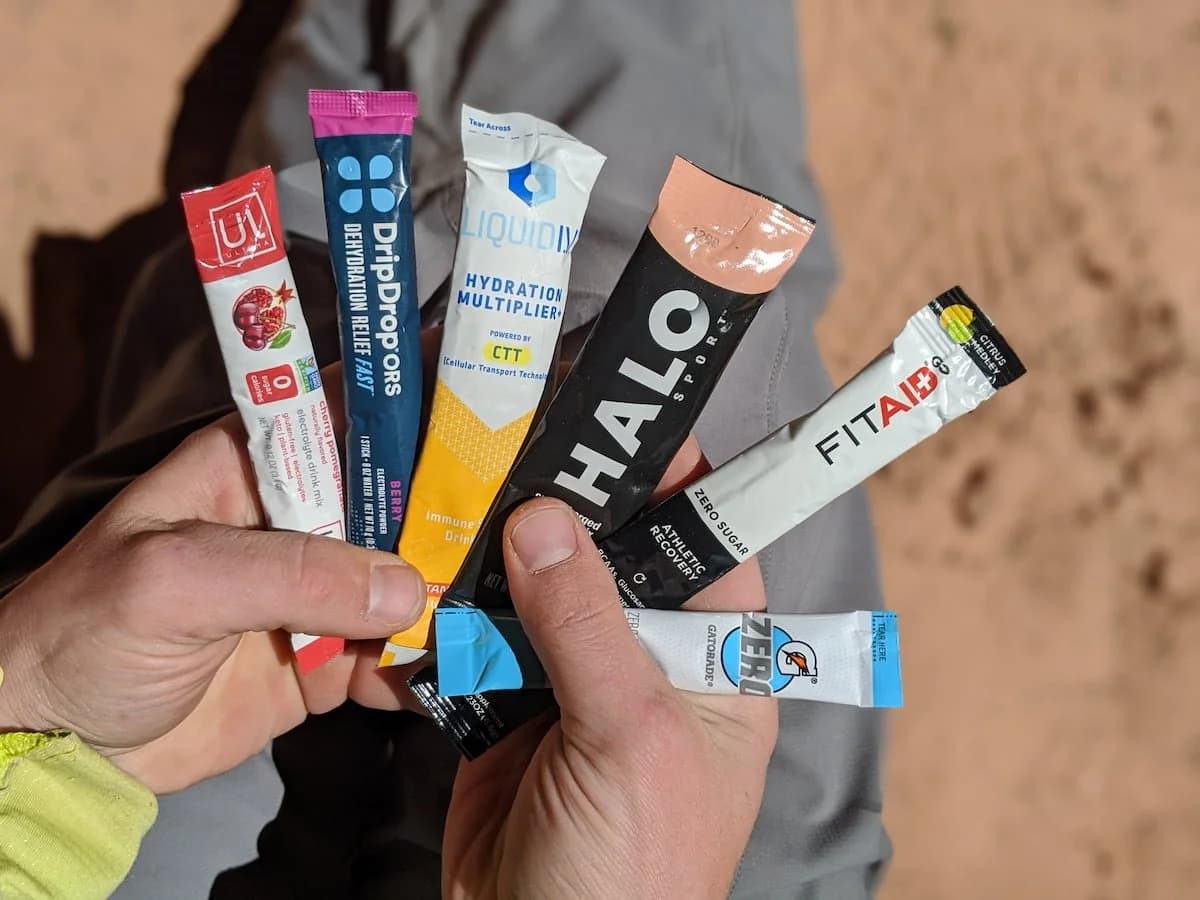
Have you ever gone full throttle into a keto diet, only to feel like your brain is wrapped in cotton and your muscles turn to jelly? Been there! On my second week of keto, I nearly quit because of constant headaches—until someone whispered, "electrolytes." Suddenly, everything changed. In this post, you’ll get the lowdown on the best electrolyte drinks for keto and low-carb living, find out which brands actually deliver, which ingredients you should crave (and which to avoid), and how to dodge that dreaded ‘keto flu.’ I’ll share my personal wins, some science-backed facts, and even a curious DIY disaster from my own kitchen. Why Electrolytes Are a Keto Lifeline (And What Happens When You Ignore Them) If you’re following a keto diet or any low-carb lifestyle, you’ve probably heard about the importance of keto diet hydration. But what many don’t realize is that hydration is about more than just water—it’s about electrolytes. These essential minerals—sodium, potassium, and magnesium—are rapidly depleted when you cut carbs. Without them, your body can quickly spiral into what’s known as the “keto flu.” Why does this happen? When you lower your carb intake, your insulin levels drop. This signals your kidneys to flush out excess water, taking vital electrolytes with it. That’s why symptoms like fatigue, muscle cramps, headaches, and brain fog are so common in the first weeks of keto. According to WebMD, these symptoms are classic signs of electrolyte imbalance, not just dehydration. Keto and low-carb diets deplete electrolytes fast, especially during intense workouts, fasting, or hot weather. Electrolyte drinks for keto help replenish lost sodium, potassium, and magnesium quickly. Proper electrolyte drink benefits include reduced muscle cramps, better energy, and fewer headaches. My first brush with the keto flu was rough. I felt drained, achy, and couldn’t focus. It wasn’t until I tried a keto electrolyte drink that things turned around. When I started keto, I underestimated how much my body needed sodium—doubling my intake made a huge difference. Within hours, my energy bounced back, and the brain fog lifted. That’s when I realized: electrolyte drinks bridge the gap for keto dieters struggling with hydration and energy. Ignoring electrolytes on keto isn’t just uncomfortable—it can be dangerous. Low-carb electrolyte drinks are a simple, effective way to maintain balance and avoid the pitfalls of mineral loss. Remember, hydration is as much about minerals as it is about water. Prioritizing electrolytes is the key to thriving on a keto or low-carb diet.Showdown: The Best Keto Electrolyte Drinks and Brands (With a Few Curveballs) When it comes to finding the best keto electrolytes, you want real results—fast hydration, clean ingredients, and zero sugar. Here’s how the top keto electrolyte drink brands stack up, plus a few surprises from my own kitchen experiments. LMNT Recharge: High Sodium, Zero Carb, Bold Flavors If you sweat hard or follow a strict low-carb lifestyle, LMNT Recharge is a game-changer. Each stick delivers a powerful dose of sodium, potassium, and magnesium—without a single carb. Flavors like Citrus Salt and Watermelon Salt are bold and refreshing. As I found after a 6-mile hike, “nothing hits the spot like a cold LMNT shaken up in my bottle.” It’s a top pick for sugar-free electrolyte drinks that actually taste good. Ultima Replenisher: All-Arounder for Daily Use Ultima Replenisher is my go-to for everyday hydration. It’s zero sugar, zero carb, and packed with vitamin C. The stick packs travel well, and flavors like Raspberry and Lemonade are a lifesaver during afternoon slumps. “Ultima’s raspberry flavor saved my skin at last summer’s outdoor bootcamp.” If you want a versatile keto electrolyte product that’s easy on the wallet, Ultima is hard to beat. Liquid IV: Multivitamin Hydration (With a Caveat) Liquid IV is popular for its hydration multiplier formula, vegan ingredients, and seven essential vitamins. However, it’s slightly higher in carbs—so use it wisely if you’re strict keto. For those in maintenance or higher-carb periods, it’s still much lower in sugar than mainstream sports drinks. G FUEL & Energy Combos: Caffeine Boost, Zero Sugar Need a keto-friendly energy drink? G FUEL offers zero sugar, added caffeine, and a huge range of flavors. It’s a gamer’s secret weapon and a solid choice for anyone needing a pick-me-up without the crash. Look for stevia or monk fruit sweeteners for purity. Wild Card: DIY Disaster Not all homemade electrolyte powders are winners. My attempt at a cucumber-mint “keto tonic” went sideways—too much salt, not enough flavor. Lesson learned: measure your salt, trust me. Price Range: $1.50–$2/serving for premium brands Portability: Powders and stick packs are perfect for travel or gym bags Flavors: Choose stevia, monk fruit, or unflavored for clean keto hydration Breaking Down Electrolyte Drink Ingredients: Choose Wisely, Sip Smartly When you’re searching for the best electrolyte drinks for keto, the ingredient list matters just as much as the nutrition label. Not all electrolyte drink ingredients are created equal—especially if you’re following a low-carb or ketogenic diet. The right blend can support hydration, muscle function, and energy, while the wrong mix can kick you out of ketosis or cause unwanted side effects. Key Minerals: The Keto Electrolyte Essentials Sodium: Crucial for fluid balance and preventing “keto flu.” Look for at least 300–500mg per serving. Potassium: Supports nerve and muscle health. Aim for 100–200mg per serving. Magnesium: Helps with muscle cramps and energy. 50–150mg per serving is ideal. These three minerals are the backbone of effective keto electrolyte supplements. If they’re missing or in low amounts, the drink won’t deliver real results. Ingredients to Avoid: Protect Your Ketosis No added sugar: Even small amounts can spike insulin and disrupt ketosis. No maltodextrin or dextrose: These hidden carbs are common in mainstream sports drinks and can sabotage your progress. No artificial fillers or colors: Unnecessary additives can cause bloating or digestive upset. Always check the net carbs—the best keto electrolyte drinks have under 1g per serving. Natural Sweeteners & Clean Labels Choose products sweetened with stevia or monk fruit instead of sugar. These natural options don’t raise blood sugar and keep your drink keto-friendly. Unflavored or lightly flavored options are also great for those sensitive to sweeteners. ‘Keto isn’t just about the macros; the ingredients determine how your body thrives.’ Quick Ingredient Checklist High sodium, potassium, magnesium No sugar, maltodextrin, or artificial fillers Natural sweeteners or unflavored Net carbs under 1g per serving Pro tip: If you can’t pronounce half the ingredient list, back away slowly. Clean, simple ingredients lead to better electrolyte drink benefits and real keto results.DIY Keto Electrolyte Drinks (Yes, You Can—and Should—Make Your Own!) Making your own homemade electrolyte drinks is not only easy but also gives you full control over ingredients, carb count, and flavor. Store-bought keto electrolyte drinks often contain hidden sugars or unnecessary additives. With a few simple electrolyte drink ingredients, you can create a refreshing, zero-sugar drink that supports your keto or low-carb lifestyle. Simple DIY Keto Electrolyte Drink Recipe Start with the basics. Here’s a tried-and-true recipe that’s perfect for daily hydration: 500 mL filtered water 1/4 tsp Himalayan or sea salt (for sodium and trace minerals) 2 tbsp fresh lemon juice (for flavor and potassium) 2–3 drops liquid trace minerals (optional, for magnesium and more) Mix well and enjoy over ice. This keto electrolyte drink contains zero sugar and almost no carbs, making it ideal for strict keto diets. Flavor Boosters: Herbal Teas & Coconut Water Want to change things up? Use herbal tea bases like peppermint or hibiscus for a caffeine-free, flavorful twist. Brew your tea, chill, and add your usual electrolyte mix. For a tropical note, add a splash of unsweetened coconut water—but remember, coconut water contains some carbs, so use sparingly if you’re tracking macros closely. Pro Tip “My homemade ‘lemon rescue’ is a road trip staple—and beats any vending machine sports drink.” DIY Mistakes to Avoid Be careful with ingredient amounts. Once, I added too much baking soda for extra sodium. It fizzed everywhere—lesson learned! Stick to the basics and measure carefully. Why Make Your Own? Control the carb count—no hidden sugars or fillers Customize flavor with lemon, mint, or cucumber Use quality salt and mineral drops for best results Homemade electrolyte drink recipes keto fans love can rival any commercial option. Experiment with ingredients, but always check carb content—especially with coconut water and flavor enhancers.Timing, Hacks, and Frequently Asked Questions: Optimizing Your Electrolyte Strategy When it comes to electrolyte drink supplements on a keto or low-carb diet, timing is everything. The best results come from knowing when to hydrate with minerals—not just how much you drink. Whether you’re prepping for a morning run, breaking a sweat at the gym, or feeling the first signs of the dreaded ‘keto flu,’ your body’s needs shift throughout the day. As one keto enthusiast puts it: “Electrolytes before a morning run are non-negotiable in my house!” For optimal keto diet hydration, consider these key moments: pre- and post-workout, during fasting periods, or at the first hint of fatigue, headache, or muscle cramps. These are signs your body is calling for more than just water—it needs sodium, potassium, and magnesium. Imagine trying to put out a wildfire with a garden hose; that’s you, guzzling plain water when what you really need is minerals. Keto electrolyte products can make all the difference, especially during the transition phase when your body is adjusting to burning fat for fuel. Convenience is another game-changer. Today’s premium electrolyte drink supplements often come in stick packs or single-serve pouches, making it easy to keep your hydration strategy on track whether you’re traveling, at the office, or hitting the gym. No more excuses—just toss a few in your bag and you’re set for the day. Frequently asked questions revolve around fasting and family use. Can you have electrolytes during a fast? In most cases, yes—electrolyte drinks without added sugars or calories won’t break your fast. Always check the label for hidden sweeteners. Are these products safe for kids? Many brands offer kid-friendly formulas, but it’s wise to consult your pediatrician before adding supplements to a child’s diet. In summary, electrolyte drink timing can make or break your keto experience. Use them strategically—before and after workouts, during fasting, and at the first sign of keto flu. Choose portable options for ultimate convenience, and always check ingredients for fasting and family safety. With the right approach, you’ll transform your hydration and see real results on your keto journey.TL;DR: Electrolyte drinks are essential for keto and low-carb diets. Choose sugar-free, high-mineral blends—LMNT, Ultima, and Liquid IV are top picks, but don't overlook homemade options. Smart timing and ingredients matter for staying energetic and hydrated. Read on for real tips and secrets!

9 Minutes Read

Beyond Gatorade: The Most Effective Electrolyte Drinks for Trail Adventures (And Why I Swear By Potato Chips) Cover

Oct 28, 2025

Beyond Gatorade: The Most Effective Electrolyte Drinks for Trail Adventures (And Why I Swear By Potato Chips)

Ever bonked halfway up a mountain? Been there. Last fall, halfway into a day-long trek on the Timberline Trail, my legs cramped so badly I had to hobble off pace for an hour. That’s when I learned hydration isn’t just about water—it’s about replacing the salts, sugars, and minerals your body sweats out, too. Whether you’re prepping for a through-hike, planning your first overnight trip, or just wondering if those neon powders are legit, let’s look beyond Gatorade. I’ll share what science says, what actually works in my pack, and (yes) why a bag of potato chips might sometimes be your savior. The Truth About Hydration: Why Electrolytes Matter on the Trail When you’re hiking, backpacking, or tackling long trails, staying hydrated is more complex than just drinking water. While water is essential, it’s only part of the hydration equation. If you lose more than 3% of your body weight through sweat, your performance can drop sharply, and you risk serious health issues. This is where electrolyte drinks for hiking become crucial, especially when you’re sweating hard in the heat or at altitude. When Water Alone Isn’t Enough: The Dangers of Dehydration Many hikers believe that sipping water throughout the day is enough to stay hydrated. However, during intense or prolonged activity, especially in hot weather, your body loses not just water but also vital minerals—sodium, potassium, and magnesium—through sweat. According to research, sweat contains an average of 500–700mg of sodium per liter, along with smaller but critical amounts of potassium and magnesium. If you only replace water and not these key electrolytes, you risk hyponatremia—a dangerous drop in blood sodium levels. Symptoms can range from fatigue and confusion to muscle cramps and, in severe cases, life-threatening complications. I’ve seen this firsthand: a friend once relied solely on water during a long, hot hike and ended up exhausted and disoriented by noon, despite drinking plenty. Electrolytes Explained: Sodium, Potassium, Magnesium Sodium: The primary electrolyte lost in sweat. It helps regulate fluid balance and nerve function. Without enough sodium, your muscles and brain can’t perform at their best. Potassium: Essential for muscle contractions and heart function. Even moderate losses can lead to muscle weakness or cramping. Magnesium: Supports energy production and muscle relaxation. Low magnesium can contribute to fatigue and muscle spasms. Electrolyte loss accelerates in hot weather and at higher elevations, making hydration powder benefits even more important for trail adventures. Proper electrolyte balance is essential for preventing muscle cramps, maintaining energy, and staying mentally sharp. 'Proper electrolyte balance is essential whenever you’re hiking for hours, especially in the heat.' – Nutritionist Megan Robinson Why Electrolyte Drinks Matter on Multi-Hour Hikes Electrolyte drinks and hydration powders are designed to replace the sodium, potassium, and magnesium you lose in sweat. Unlike plain water, these drinks help you: Prevent muscle cramps and spasms Reduce fatigue and maintain energy Stay mentally focused and avoid confusion Recover faster after long or strenuous hikes Ignoring electrolytes on the trail doesn’t just leave you thirsty—it can lead to a rapid decline in both physical and mental performance. For anyone serious about hiking, backpacking, or trail running, understanding and managing your electrolyte intake is just as important as packing enough water.Tablets, Powders, and Natural Sources: What Actually Works? When you’re deep on the trail, your body’s demand for electrolytes goes up fast. But with so many options—electrolyte tablets, hydration powders, and even salty snacks—how do you know what actually works for hiking and backpacking? Here’s a breakdown of the most effective electrolyte solutions, including some surprising natural sources you might already have in your pack. Electrolyte Tablets: Portable, Clean, and Certified Electrolyte tablets like Nuun Hydration Sport are a favorite among hikers for good reason. They’re lightweight, easy to pack, and dissolve quickly in water. Each tablet delivers about 300mg sodium and 150mg potassium—a solid dose for replenishing what you lose through sweat. Nuun tablets are also vegan, gluten-free, and certified by NSF Informed Sport, which means you can trust the ingredients. Many hikers, like backpacker Emma Talley, swear by them: "When weight and space matter, tablets like Nuun make a world of difference." The mild flavor and low sugar content make Nuun one of the best electrolyte tablets for long days on the trail. However, some users note a slight residue left in bottles after use. Hydration Powders: Full-Spectrum and Sugar-Free Options If you prefer mixing up your own drink, hydration powders offer flexibility and variety. DryWater Hydration Powder stands out for its clean, fruit-flavored, sugar-free formula—ideal if you want to avoid added sugars. For those seeking a broader mineral profile, Bubs Naturals Hydrate includes not just sodium and potassium, but also magnesium, chloride, and iron. This full-spectrum approach can help reduce muscle cramps and support overall endurance, especially on multi-day hikes. Case Study: Aquarius—A European Favorite During a recent trek in Spain, I tested Aquarius, a popular local electrolyte drink. Its low-sugar formula and strong sodium, potassium, and magnesium content noticeably reduced muscle soreness after long days. However, the flavor was divisive—some hikers loved it, others found it too artificial. Still, it’s worth considering if you’re hiking abroad or want to try something different from American brands. Natural Sources: Salty Snacks That Work Don’t overlook simple snacks like salt and vinegar potato chips. With about 360mg sodium per serving, these chips can rival commercial electrolyte mixes for sodium replacement. They’re easy to pack, require no mixing, and can be a lifesaver when you crave something crunchy and salty. While they don’t provide potassium or magnesium, pairing chips with dried fruit or trail mix can help round out your electrolyte intake. Electrolyte tablets: Best for portability and clean ingredients (look for NSF, vegan, gluten-free labels). Hydration powders: Great for customizable, sugar-free, or full-spectrum mineral support. Natural sources: Salty snacks like chips can supplement or substitute for sodium on the go. Ultimately, the best electrolyte drinks for hiking are the ones that fit your taste, dietary needs, and pack weight. Certifications and ingredient transparency are increasingly important, so always check the label before you hit the trail.Real-World Reviews: What Hikers and Science Say About Top Brands When you’re deep into a multi-day hike or pushing through a tough trail run, your choice of electrolyte drink can make or break your experience. Real-world feedback from hikers, backpackers, and endurance athletes reveals that taste, texture, and sugar content are just as important as the science behind the label. Here’s what users—and the latest research—say about the top electrolyte drink brands for hiking and trail adventures. Nuun Endurance: Balanced for Most, But Not All Conditions Nuun Endurance is a favorite among hikers looking for a balance of electrolytes and carbohydrates. Each serving provides about 380mg sodium and 15g carbs, making it suitable for moderate-intensity activities and cooler weather. Many users praise its clean, light flavors and easy dissolvability. However, some ultra-distance hikers note that in extreme heat, the sodium content may fall short for heavy sweaters. Still, for most trail conditions, Nuun Endurance offers a reliable carb-to-electrolyte ratio that supports endurance without overwhelming your taste buds. GU Hydration Tabs: Low Sugar, Big Flavor Variety If you’re looking for an electrolyte drink with low sugar and a wide range of flavors, GU Hydration Tabs stand out. Each tab delivers 320mg sodium, just 1g sugar, and only 10 calories per serving. This makes them a top pick for hikers who want to avoid sugar spikes or are counting calories on long treks. The tabs dissolve quickly and come in flavors like Lemon-Lime, Orange, and Strawberry Lemonade, which users say remain palatable even after hours on the trail. As trail runner Alex Redman puts it: "Honestly, I’ve stuck with GU Hydration Tabs because they’re easy on my stomach and taste solid, even after hours on trail." Bubs Naturals Hydrate: Comprehensive Mineral Profile for Ultra-Endurance For those tackling ultra-long distances or high-altitude adventures, Bubs Naturals Hydrate is gaining traction. Endurance athletes appreciate its comprehensive mineral profile, which includes magnesium, potassium, and calcium in addition to sodium. This helps prevent cramps and supports muscle function during prolonged exertion. The mild, natural flavors and lack of artificial sweeteners also appeal to those sensitive to taste or additives. Why Taste, Texture, and Sugar Content Matter Research and user reviews agree: you’re more likely to stay hydrated if you actually enjoy your electrolyte drink flavors. Texture and dissolvability are key—no one wants gritty residue or clumps at the bottom of their bottle. Sugar content is another top factor; too much sugar can cause stomach upset or energy crashes, while too little may not support longer efforts. That’s why brands like GU and Nuun, with their low to moderate sugar levels, often become trail staples. Flavor variety keeps things interesting on long trips. Low sugar options help avoid GI distress. Easy dissolvability means less hassle on the go. Ultimately, the best electrolyte drink for hiking is the one you’ll actually drink—again and again—when you’re tired, sweaty, and miles from the trailhead.DIY Electrolytes: Trail Mix Science & Oddball Hydration Fixes When you’re heading out for a hike, you don’t always need a fancy electrolyte drink mix to stay hydrated. Sometimes, the best natural electrolyte sources are sitting right in your pantry or backpack. If you’re planning a short hike, a brisk morning walk, or you’re simply watching your budget, homemade electrolyte solutions and snack combos can be surprisingly effective. In fact, many fruits, juices, and salty snacks are packed with the sodium, potassium, and magnesium your body craves on the trail. Let’s talk about some easy DIY electrolyte drink usage tips. One of the simplest trail-made electrolyte cocktails is a cup of orange juice with a pinch of salt. Orange juice delivers about 500mg of potassium per cup, and that dash of salt adds the sodium you lose through sweat. If you want something even more natural, coconut water is a classic—offering around 600mg of potassium per cup, though it’s a bit light on sodium. You can always add a small pinch of salt to balance it out. These homemade electrolyte solutions are perfect for short activities and are a great option for budget-conscious hikers. Don’t overlook the power of snacks. Potato chips and salted nuts are more than just tasty—they’re quick, affordable ways to replenish sodium on the go. For potassium, bananas and dried apricots are trail favorites. As registered dietitian Carla Wilson says, “If you’re just out for a brisk morning walk, don’t overthink it. A handful of nuts or a banana will do.” These natural snack options are often overlooked but highly effective, especially for shorter adventures where you don’t need the full spectrum of electrolytes found in commercial mixes. Of course, not every DIY experiment is a winner. I’ll never forget the desperate day I mixed a Nuun tablet into lukewarm instant coffee—let’s just say, that’s a hydration hack I won’t be repeating. The lesson? DIY mixes can be tailored to your needs and flavor preferences, but some combos are best left untested. Stick with tried-and-true natural electrolyte sources, and you’ll be in good shape. So, when should you skip the fancy powders and tablets? If you’re out for a short outing, hiking in cold weather (when sweat loss is minimal), or trying to save money, natural foods and simple DIY electrolyte drinks are often all you need. For longer, hotter, or more intense adventures, commercial electrolyte mixes or tablets offer a more balanced and reliable solution. But for everyday hikes, don’t underestimate the power of a salty snack or a piece of fruit. In summary, natural electrolyte sources like fruit, juice, and salty snacks can fill electrolyte gaps on shorter hikes, while DIY mixes let you control both flavor and nutrition. For serious endurance efforts, commercial options are still the gold standard. But next time you hit the trail, remember: sometimes the best electrolyte fix is as simple as a handful of potato chips and a splash of orange juice.TL;DR: Don’t leave your hydration to guesswork—experiment with the right electrolyte drink or supplement for your needs. Use what works for you, even if it’s as simple (and salty) as potato chips on a tough climb.

11 Minutes Read

The Real Hydration Heroes: Best Electrolyte Drinks for Hot Yoga and Sauna Days (From a Sweat-Soaked Enthusiast) Cover

Oct 28, 2025

The Real Hydration Heroes: Best Electrolyte Drinks for Hot Yoga and Sauna Days (From a Sweat-Soaked Enthusiast)

You know that ‘can’t wring out your yoga mat enough’ feeling after a hot yoga or sauna session? I’ve been there—salty skin, dizzy head, strangely proud sweat puddles. But through years of trial, error, and desperate Google searches (plus a rogue DIY pickle juice experiment!), I finally cracked the electrolyte code. In this guide, you’ll cut through the hype and learn the essentials: which electrolyte drinks actually hydrate, how to avoid flavor-overload disasters, and whether that TikTok coconut water hack is worth it. Get ready to upgrade your post-sweat routine, not just survive it. Sweat, Science, and Survival: What REALLY Happens to Your Body in Hot Yoga and Sauna If you’ve ever left a hot yoga class or sauna session drenched in sweat, you know hydration is serious business. But here’s the real kicker: plain water isn’t enough to keep your body balanced during intense heat and sweat loss. You’re not just losing water—you’re flushing out vital electrolytes that keep your muscles firing and your mind sharp. As Dr. Stacey Sims puts it, “Even during moderate-intensity hot yoga, the body can lose over a liter of sweat per hour.” Let’s break down what’s really happening inside your body: Sodium: The MVP of hot yoga hydration. Sodium helps your body retain fluid and supports nerve and muscle function. During heavy sweating, you can lose 500–700 mg of sodium per session. If you don’t replace it, you risk dizziness, cramps, and even fainting. (Trust me, I learned this the hard way—nearly blacking out mid-pigeon pose because I thought coconut water alone would cut it. Spoiler: it didn’t.) Potassium: Crucial for muscle recovery and heart rhythm. Coconut water is loaded with potassium but often lacks the sodium needed for real sauna hydration. Magnesium: Supports muscle relaxation and energy production. Low magnesium can mean muscle twitches or fatigue. Calcium: Essential for muscle contractions and nerve signaling. Sweating drains calcium, too, so replenishing it matters. Ignoring these electrolytes can lead to symptoms like: Muscle cramps or spasms Headaches and brain fog Fatigue and weakness Dizziness or even fainting (been there!) To truly support muscle recovery and performance, you need more than water—electrolyte drinks designed for heavy sweaters are your best bet. Look for options with at least 500–700 mg of sodium per serving, plus a balanced mix of potassium, magnesium, and calcium. Don’t let your next session turn into a survival story—hydrate smarter, not just harder.Hydration Strategies for Hot Yoga: Beyond Bringing a Fancy Bottle When it comes to hydration strategies for hot yoga or sauna days, simply carrying a stylish water bottle won’t cut it. You need a plan that starts before you even roll out your mat. As Ben Greenfield says, “Hydration isn’t a one-time event—it’s a strategy.” Here’s how to hydrate smarter, not harder, for optimal muscle recovery and performance. Pre-Session Hydration: Build Your Routine Start prepping hours before your session. Hot yoga can cause you to lose up to 1.5–2.5 liters of fluid per hour—far more than a casual workout. Don’t just guzzle water; add electrolytes like sodium, potassium, and magnesium. This helps your body retain fluid and prevents early fatigue or dizzy spells. Drink 16–20 oz of water with a quality electrolyte powder 1–2 hours before class. Eat a light snack with complex carbs (like a banana or toast) to support energy and muscle recovery. During and Post-Session Hydration: Sip, Don’t Chug During hot yoga, precise sipping is key. Take small sips of an electrolyte drink every 10–15 minutes. This keeps your body balanced and helps prevent cramps or headaches. Avoid chugging large amounts at once—it can upset your stomach and dilute vital minerals. After class, combine water, electrolytes, and simple carbs (like fruit juice or a recovery drink) for fast muscle and energy recovery. Continue sipping fluids for several hours post-session to fully rehydrate. DIY Electrolyte Blends vs. Commercial Drinks DIY fixes can work in a pinch, but be careful with ratios. Once, I mixed a “homemade” blend with too much salt and not enough carbs—hello, nausea and zero energy! For a quick, balanced option, try this recipe: 16 oz water Pinch of sea salt Squeeze of lemon 1 tsp honey Optional: 1/8 tsp magnesium powder Commercial electrolyte drinks are formulated for proper balance, making them a safer bet for intense sweat sessions. Remember, timing matters: start pre-hydrating, sip during, and refuel with carbs and electrolytes after for best results.The 2025 Electrolyte Drink Showdown—What Actually Works (and What Flops) When you’re dripping after hot yoga or a sauna session, not all electrolyte drinks are created equal. In this year’s Electrolyte Drink Reviews 2025, I put the most hyped options to the test—so you don’t have to waste money or calories on duds. Here’s what’s worth your sweat, and what’s better left on the shelf. Quick Hits: Top Functional Drinks and Powders Transparent Labs Hydrate v3: This science-forward powder is a standout, with 500 mg sodium, 250 mg potassium, and a solid dose of magnesium per serving. What sets it apart? Added taurine and adaptogens for muscle recovery and stress support. It’s clean, with no artificial sweeteners or colors, and mixes easily—no chalky aftertaste. Coconut Water: The OG natural option. It’s loaded with potassium but low on sodium, so it’s best for moderate sweat sessions. As Keri Glassman, RD, says: “Coconut water is nature’s sports drink, but be mindful of its sodium content.” Look for unsweetened varieties to avoid added sugar. Electrolyte Tablets & Drink Powders: Brands like Nuun and LMNT deliver 500–700 mg sodium per serving, making them ideal for heavy sweaters. Tablets are portable, but some flavors taste more like science class than spa day. Wellness Shots: Trendy, often packed with adaptogens and superfoods. They’re convenient but can be pricey if you use them daily. Check labels for sugar and artificial additives. Taste Test Tales: What Works, What Flops Transparent Labs Hydrate v3 wins for a clean, refreshing taste—no weird aftertaste or sugar overload. Coconut water is naturally sweet, but some brands add sugar or flavors. Always check the label. Tablets and powders can be hit or miss. Some dissolve well and taste light, others are salty or medicinal. Key Factors for Hot Yoga & Sauna Hydration Sodium & Potassium: Aim for 500–700 mg sodium and 200–400 mg potassium per serving for serious sweat sessions. Low or No Added Sugar: Many top picks are sugar-free or use natural sweeteners. Clean Ingredients: Avoid artificial dyes, flavors, and fillers. Price & Absorption: Powders are cost-effective and absorb quickly. Wellness shots are convenient but can add up. Whether you want the best electrolyte drink overall or a natural option, focus on sodium, potassium, and clean ingredients. For more on coconut water benefits or electrolyte drink powder comparisons, check our related guides.Common Mistakes, Myths, and Unexpected Wins (Electrolyte Drink Edition) When it comes to electrolyte drink safety and effectiveness, it’s easy to fall for common myths or make simple mistakes—especially if you’re new to hot yoga or sauna routines. Let’s set the record straight with real stories, expert advice, and answers to your most-searched questions. Busting the “More Is Better” Myth One of the biggest misconceptions is that loading up on electrolytes guarantees better hydration. In reality, overconsumption of sodium or potassium is rare but possible—especially if you’re not sweating buckets. According to Dr. John Ivy, “No drink solves hydration by itself—it’s how smartly you use it.” Too much sodium can cause headaches, bloating, or even raise blood pressure in sensitive individuals. Always follow serving guidelines and listen to your body’s cues. Why “Just Any Drink” Misses the Mark Not all electrolyte drinks are created equal. I learned this the hard way after grabbing a bargain-brand sports drink post-sauna. The taste was so artificial and syrupy, it left me with a headache instead of relief. Electrolyte drink taste and ingredient quality matter—a lot. Look for clean labels, balanced minerals, and flavors you actually enjoy. Real electrolyte drink reviews often highlight how taste and absorption can make or break your experience. Reader Questions: Fact vs. Fear Can you drink too much coconut water? Yes—while natural, coconut water is high in potassium. Overdoing it can upset your electrolyte balance, especially if you’re not sweating heavily. Are tablets as good as powder? Both can be effective. Tablets are convenient for on-the-go, while powders often offer more customizable dosing. Check for quality ingredients and avoid unnecessary fillers. Should you worry about artificial sweeteners? Most are safe in moderation, but some people report digestive upset or dislike the aftertaste. If you’re sensitive, opt for naturally sweetened or unsweetened options. Unexpected Wins Sometimes, experimenting leads to pleasant surprises. Swapping to a high-quality, low-sugar electrolyte powder improved my post-hot yoga recovery and even enhanced the taste of plain water. Remember, electrolyte drink effectiveness comes down to finding what works for your body and routine.Fast FAQ: The Electrolyte Edition (Straight From Google Searches) When sweat is pouring during hot yoga or sauna sessions, you want answers fast. Here are the most searched questions about electrolyte drinks, with expert-backed insights and real-life experience. What’s the best electrolyte drink for hot yoga and sauna? The best electrolyte drink is one that quickly replaces sodium, potassium, and magnesium lost through sweat, without excess sugar. Many yoga enthusiasts and trainers recommend low-sugar options like LMNT, Nuun Sport, or natural choices like coconut water. According to WebMD, drinks with balanced electrolytes and minimal additives are ideal for rapid hydration and recovery. As hot yoga instructor L. Hernandez says, “Electrolyte drinks make a difference when sweat is pouring; the rest is just marketing.” Are tablets or powders more effective for rapid hydration? Both electrolyte drink powders and tablets are convenient and effective. Powders often dissolve faster and let you control the concentration, while tablets are portable and mess-free. The choice depends on your routine and taste preferences. For intense sweat sessions, powders like Skratch Labs Hydration Mix or DripDrop are popular for their rapid absorption and customizable flavor. Can I just drink coconut water or DIY it? Coconut water benefits include natural potassium and a light, refreshing taste, making it a favorite for many. However, it’s lower in sodium compared to specialized drinks. If you prefer homemade options, check out our DIY electrolyte drink recipes for simple, effective hydration blends. Just remember to balance salt and sugar for optimal results (Healthline). Is it safe to drink electrolyte drinks every day? For most people, daily use of electrolyte drinks is safe, especially if you’re active or sweat heavily. However, watch for high sugar or artificial additives. If you have kidney issues or high blood pressure, consult your doctor first (Mayo Clinic). Are sugar-free electrolyte drinks good for you? Sugar-free options are great for those watching calories or sugar intake. Look for drinks sweetened with stevia or monk fruit, and avoid artificial sweeteners if you’re sensitive. The key is to ensure the drink still provides essential minerals for true hydration. Still curious about making your own? Explore our DIY electrolyte drink recipes for more ideas. Remember, the best electrolyte drink is the one that fits your body’s needs and your taste buds. TL;DR: Hydration after hot yoga or sauna isn’t just about water—smartly chosen electrolyte drinks can make all the difference. From modern powders to old-school coconut water, what matters is matching your sweat style and recovery needs. Choose wisely, and your next session could feel way less exhausting (and a lot tastier).

10 Minutes Read

Why Heavy Sweaters Need High-Sodium Electrolyte Drinks: A Real-World Guide Cover

Oct 28, 2025

Why Heavy Sweaters Need High-Sodium Electrolyte Drinks: A Real-World Guide

Imagine crossing a finish line, shirt soaked, feeling empty, and then—crash. That happened to me after my first summer 10K race. I thought water was enough. I was wrong. If you sweat buckets, water alone won’t do. So, why are high-sodium electrolyte drinks so vital for heavy sweaters? Today, you’ll learn how to choose the right formula, the science behind sodium, and which brands really work—without the sugar crash or artificial aftertaste. Let’s keep it salty (in a good way). Why Heavy Sweaters Need More Than Water: The Hidden Dangers of Salt Loss If you’re a heavy sweater, simply drinking water isn’t enough to keep you hydrated and healthy. When you sweat a lot—whether from intense workouts, hot climates, or genetics—you lose not just water, but large amounts of sodium and other electrolytes that are vital for your body’s performance and safety. On average, sweat contains 500–1,000 mg of sodium per liter. For heavy sweaters, this can mean losing over 1,000 mg of sodium per hour. That’s a massive loss, especially if you’re exercising for long periods or working outdoors. Sodium is the main electrolyte lost in sweat, but you also lose potassium, magnesium, and calcium—each playing a role in muscle function, nerve signaling, and hydration balance. When you replace sweat losses with only plain water, you risk diluting your blood sodium levels—a condition known as hyponatremia. This can be dangerous, even life-threatening. Symptoms of low sodium include: Muscle cramps Fatigue and weakness Confusion or brain fog Nausea or headache These signs often mean you’re already depleted. As Dr. Stacy Sims, a leading hydration expert, explains: “For heavy sweaters, sodium isn’t just a nice-to-have; it’s essential for maintaining blood volume and muscle function.” High-sodium electrolyte drinks (with 1,000 mg sodium or more per serving) are specifically designed to replace what you lose in sweat. They help you maintain proper hydration, prevent muscle cramps, and keep your energy and mental clarity intact. For ‘salty sweaters,’ these drinks are far more effective than water or low-sodium sports drinks. Remember, hydration isn’t just about water—it’s about keeping your body’s sodium content and electrolytes in balance. If you’re a heavy sweater, choosing the right high-sodium electrolyte drink can make all the difference in your performance and well-being.Top High-Sodium Electrolyte Drinks Tested by Dietitians (and Real Sweat-Soaked Athletes) If you’re a heavy sweater, finding the right electrolyte drink can make or break your performance and recovery. Dietitians and real athletes agree: sodium content, ingredient transparency, and flavor options are key when choosing the best electrolyte powder or drink. Here’s a breakdown of the top high-sodium options that deliver results without unnecessary sugars or fillers. LMNT Electrolyte Powder: 1,000mg Sodium, No Sugar Electrolyte Levels: 1,000mg sodium, 200mg potassium, 60mg magnesium per stick No sugar, no artificial sweeteners—ideal for keto, paleo, and low-carb athletes Flavor Options: Citrus, Raspberry, Watermelon, and unflavored for versatility Highly rated in electrolyte drink reviews for clean ingredients and strong taste Mortal Hydration Sport Drink (Salty): 1,000mg Sodium Per Serving Electrolyte Levels: 1,000mg sodium, 200mg potassium, 60mg magnesium Natural flavor options—no added sugar or artificial fillers Powder format mixes easily; perfect for those who want a straightforward, salty profile Praised for ingredient transparency and minimalism Nuun Endurance: For Long Workouts Electrolyte Levels: 380mg sodium, 200mg potassium, 15g carbs per serving Tablet form—convenient for on-the-go hydration Contains some carbs for extended endurance sessions Popular among marathoners and cyclists needing both sodium and energy Ancient and Brave: Gut-Friendly Rehydration Electrolyte Levels: Uses coconut water powder and pink Himalayan salt Focuses on gut health and natural rehydration Unflavored and lightly sweetened options available Clean-label, suitable for sensitive stomachs Sports Nutritionist Marie Spano: "Not all electrolyte drinks are created equal—match sodium content to your sweat rate for peak performance." For serious sweaters, look for products with 500–1,000mg sodium per serving. Whether you prefer ready-to-drink, powder, or tablet, prioritize no sugar, clean ingredients, and flavor options you’ll actually enjoy. Brands like LMNT Electrolyte Powder, Mortal Hydration Sport Drink, and Ancient and Brave stand out for their high sodium content and quality.How to Pick the Right Electrolyte Formula (Without Regretting It in Mile 7) Choosing the best electrolyte powder or drink can make or break your long run—especially if you’re a heavy sweater. If you’ve ever grabbed a “hydration drink” with low sodium and ended up cramping halfway through a trail run (like I did last summer), you know the pain of getting it wrong. Here’s how to dial in your electrolyte drink ingredients and avoid bonking when it counts. 1. Check Your Sweat Rate Start by weighing yourself before and after a workout. For every pound lost, you’ve sweated out roughly 16 ounces of fluid. Heavy sweaters often lose more sodium than they realize, so tracking your sweat rate helps you estimate your true needs. 2. Scan the Label for Key Minerals Sodium: Aim for 500–1,000mg per hour during intense activity if you sweat heavily. Potassium, Magnesium, Calcium: Look for a balanced formula. Coconut water, for example, has about 250mg potassium but only 50mg sodium per 250ml—great for light sweaters, not enough for most endurance athletes. Top products clearly list all mineral contents, so you can customize carb intake and electrolyte balance to your needs. 3. Beware of Added Sugars and Sweeteners If you want pure hydration, avoid sneaky sugars or artificial sweeteners. Many new electrolyte powders skip the carbs, letting you fuel and hydrate separately. This is ideal for those watching calories or using gels for energy. 4. Flavor and Form Matter As ultra-runner David Roche says: "Taste comes first—if you won’t drink it, it won’t help." Try a few flavor options and forms (powder, tablet, ready-to-drink) to avoid taste fatigue. If you get bored, you’ll stop drinking—risking dehydration and cramps. 5. Sustainability and Transparency If you care about the planet, look for sustainability in packaging and ingredient sourcing. Many brands now use recyclable pouches or highlight clean, traceable ingredients. 6. DIY Electrolyte Mixes Don’t ignore homemade options. My running group’s go-to: mix coconut water, fruit juice, and a pinch of sea salt for a simple, customizable drink. It’s budget-friendly and lets you control every ingredient.Bonus: Creative Uses & Surprising Benefits Beyond Sports High-sodium electrolyte drinks aren’t just for athletes or gym-goers. Their benefits reach far beyond the sports world, offering practical solutions for everyday challenges like hangovers, illness recovery, and even demanding work environments. If you’re a heavy sweater, you’ll find these drinks can make a real difference in your daily life. Electrolyte Drinks for Hangovers Ever wake up after a night out feeling foggy and drained? You’re not alone. Many people now reach for a high-sodium electrolyte drink to ease hangover symptoms. A friend of mine swears by a salty electrolyte powder mixed with water—she says it banishes her post-party brain fog and helps her rehydrate after a night of celebrating. This isn’t just anecdotal. According to Registered Dietitian Monica Reinagel, “Anyone losing fluids—from heat, illness, or a wild night out—can benefit from timely electrolyte replacement.” Replenishing sodium and other electrolytes helps restore balance, support cognitive clarity, and speed up recovery. Support During Illness and Heat Stress Electrolyte drinks are also valuable when you’re sick, especially if you’re losing fluids through fever, vomiting, or diarrhea. They help you rehydrate after exercise or illness, preventing dehydration and supporting faster recovery. The same goes for anyone exposed to heat stress—think outdoor workers, landscapers, or travelers in hot climates. These groups often sweat heavily and need more than just water to stay healthy. Beyond the Bottle: Creative Natural Options If you prefer natural solutions, try making your own recovery drink. Blend coconut water, a pinch of salt, and fresh fruit for a homemade electrolyte smoothie. This delivers sodium, potassium, and other minerals in a tasty, hydrating package. It’s a great way to enjoy the health benefits of electrolytes without added sugars or artificial ingredients. Sauna sessions: Replace lost fluids and minerals after intense heat exposure. Travel: Prevent dehydration on long flights or in unfamiliar climates. Outdoor work: Maintain energy and mental sharpness during physically demanding jobs. The market for electrolyte powder and drinks is expanding, with wellness, travel, and recovery audiences discovering their value. Whether you’re dealing with hangovers, illness, or just a hot day, these drinks offer more than just athletic support—they’re a smart, everyday wellness tool.FAQ: Everything Heavy Sweaters Secretly Want to Know How much sodium is too much for heavy sweaters? If you sweat heavily, your sodium needs are higher than average. Most sports drinks contain 200–500 mg of sodium per serving, but some high-sodium electrolyte powders offer up to 1,000 mg. The right amount depends on your sweat rate, activity level, and climate. Generally, replacing what you lose in sweat is safe, but most experts recommend not exceeding 2,300 mg of sodium per day from all sources unless advised by your doctor. If you have high blood pressure or kidney issues, consult your healthcare provider before increasing sodium intake. When is the best time to drink electrolyte beverages? For heavy sweaters, timing is key. Drink an electrolyte beverage 30–60 minutes before intense exercise to pre-hydrate. Sip during activity, especially if you’re sweating for over an hour or in hot conditions. After exercise, a high-sodium sports drink or electrolyte powder helps restore balance and speed up recovery. Listen to your body—thirst, muscle cramps, and fatigue are signs you may need more electrolytes. Are homemade electrolyte drinks as effective as store-bought? DIY electrolyte drinks can work if you get the sodium content right. Many homemade recipes use salt, citrus, and a sweetener. However, it’s easy to underdose sodium, which is crucial for heavy sweaters. Store-bought electrolyte powders and sports drinks are formulated for optimal sodium and potassium levels, making them more reliable for intense or long-duration activities. If you make your own, measure ingredients carefully and aim for at least 500–700 mg sodium per liter. Which is better: powders, tablets, or ready-to-drink options? Electrolyte powders are popular for their customizable sodium content and portability. Tablets are convenient for travel and quick mixing. Ready-to-drink sports drinks are hassle-free but often have lower sodium and more sugar. For heavy sweaters, powders typically offer the highest sodium content and flexibility. Choose what fits your lifestyle and sodium needs best. Are there any side effects of high-sodium electrolyte drinks? Most healthy adults tolerate high-sodium electrolyte drinks well, especially when replacing sweat losses. However, too much sodium can cause bloating, thirst, or increased blood pressure in sensitive individuals. Always follow serving guidelines and consult a healthcare professional if you have pre-existing health conditions. Balance is key—electrolyte drinks should support your performance, not cause discomfort. TL;DR: Bottom line: Heavy sweaters need high-sodium electrolyte drinks to stay energized, safe, and performing their best. Don’t just hydrate; rehydrate smart!

9 Minutes Read

Truth in a Glass: The Real Story Behind the Best Sugar-Free Electrolyte Drinks for Everyday Hydration Cover

Oct 28, 2025

Truth in a Glass: The Real Story Behind the Best Sugar-Free Electrolyte Drinks for Everyday Hydration

You probably know the feeling: a splitting post-workout headache, or that vague, dragging tiredness mid-afternoon. Not long ago, I found myself guzzling a 'sports drink' after my Saturday hike, only to discover it had more sugar than a donut. That jolted me down a rabbit hole—are there sugar-free electrolyte drinks that actually work? What goes into them, and do they taste like weird science experiments? In this post, I’ll share what I learned (the good, the bad, and the unexpectedly delicious), spotlight the top picks, and help you dodge marketing traps so you can hydrate smarter—without the sugar hangover. The Surprising Science of Sugar-Free Hydration When you think of electrolyte drink benefits, you might picture athletes chugging neon-colored sports drinks after a marathon. But the truth is, sugar-free hydration drinks are just as important for everyday wellness—whether you’re working out, following a keto diet, or simply sitting at your desk. How Sodium, Potassium, and Magnesium Power Hydration Electrolytes like sodium, potassium, and magnesium are essential for keeping your body’s fluid balance in check. Sodium helps your body retain water, potassium supports muscle function, and magnesium aids in nerve signaling and energy production. When these minerals are in the right balance, you stay hydrated, alert, and energized. Sodium: Maintains fluid balance and supports nerve function Potassium: Prevents muscle cramps and regulates heartbeat Magnesium: Reduces fatigue and supports muscle recovery Dr. Stacy Sims, a hydration expert, notes, “Many people underestimate how much sodium they lose daily—not just athletes.” This is why even non-athletes can benefit from sugar-free electrolyte drinks that include all three minerals. Why Classic Sports Drinks Add Sugar—And Why You Don’t Always Need It Traditional sports drinks add sugar for quick energy and to help your body absorb sodium faster during intense, prolonged exercise. But if you’re not running a marathon or doing high-intensity training, that extra sugar isn’t necessary—and can even lead to unwanted calories and blood sugar spikes. Modern sugar-free hydration drinks use natural sweeteners like stevia or monk fruit. These provide a pleasant taste without impacting blood sugar, making them ideal for daily use, low-carb, or keto lifestyles. For example, LMNT packs 1,000mg sodium, 200mg potassium, and 60mg magnesium per packet—without any sugar or artificial ingredients. Debunking the “Electrolytes Only Matter After a Marathon” Myth It’s a common misconception that electrolyte drinks are only for athletes. In reality, you lose electrolytes through sweat, urine, and even breathing—every single day. Whether you’re active, following a vegan or paleo diet, or just want to avoid dehydration headaches, sugar-free electrolyte drinks can help you feel your best. Some brands, like Liquid I.V., focus on sodium and potassium but may skip magnesium, so check the label for a complete blend. Choosing the right sugar-free hydration drink means supporting your body’s needs—no marathon required.Top Sugar-Free Electrolyte Drinks: Beyond the Hype Choosing the top sugar-free electrolyte drinks for daily hydration means looking past flashy marketing and focusing on real ingredients, taste, and how your body feels. If you’ve ever tried to find the best sugar-free electrolyte drink, you know the options are overwhelming. Here’s what you need to know from hands-on taste-testing and research. Personal Taste-Tests: What Sets Each Brand Apart LMNT Electrolytes: Famous for its high sodium content (1,000mg per stick), LMNT is designed for athletes, heavy sweaters, or those on low-carb diets. The flavors are bold—some love them, others find them too salty. If you need serious sodium, this is a top pick. Just Ingredients: This powder stands out for its unique potassium-to-sodium ratio and natural fruit flavors. Sweetened with stevia and real fruit, it’s a favorite for those who want a pleasant, clean taste without artificial aftertaste. Liquid I.V. Sugar-Free: 100% sugar-free and sweetened with allulose and stevia, this option adds vitamin C and B vitamins but skips magnesium and calcium. The taste is light and refreshing, but if you need a full mineral profile, look elsewhere. Nutricost Electrolyte Complex: A budget-friendly choice, Nutricost covers potassium, sodium, magnesium, and vitamins. It’s vegan, gluten-free, and works for keto or paleo diets. The flavor is mild, making it easy to drink daily. Ultima Replenisher: Known for its variety of flavors and use of natural sweeteners like stevia and monk fruit, Ultima is gentle on the stomach and suitable for sensitive users. The Role of Natural Sweeteners in Flavor and Digestive Comfort Natural sweeteners like stevia, allulose, and monk fruit can make or break your experience. Some people notice mild digestive upset, especially with new sweeteners. Always try a sample pack before committing to a subscription. As nutrition coach Kelsey Flanagan says: “Flavor is a dealbreaker. If you don’t enjoy it, you won’t drink it.” Artificial Sweeteners: Friend or Foe? Not all artificially sweetened drinks are bad. Some offer zero sugar hydration without the aftertaste or digestive issues. However, if you’re sensitive or prefer natural sweeteners, stick with brands that use stevia, allulose, or monk fruit. Your comfort and taste preferences matter most.Your Real-World Guide: How to Pick the Best Sugar-Free Electrolyte Drink for YOU Choosing the best sugar-free electrolyte powder packets or drinks isn’t just about grabbing the first “zero sugar” label you see. With so many electrolyte drink flavors and brands now offering electrolyte drink subscription options, finding your perfect match means thinking about your lifestyle, taste, and health needs. Let’s break it down so you can hydrate smarter every day. Quick Quiz: What’s Your Hydration Style? All-day sipper? You need a balanced blend for steady hydration—look for mild flavors and moderate sodium. CrossFit diehard or endurance athlete? Go for higher sodium and potassium levels to replace what you sweat out. Summer heat survivor? Seek out refreshing, light electrolyte drink flavors like citrus, watermelon, or tropical blends. Checklist: What to Look For (and What to Avoid) Key ingredients: Sodium, potassium, magnesium, and calcium. Avoid hidden sugars and artificial dyes. Sweetener sensitivity? Try single-serve electrolyte drink packets first to see how your body reacts. GI comfort: Some sugar-free sports drinks use sugar alcohols, which can cause stomach upset. Check the label! Price and convenience: Subscription services can save money if you hydrate daily. Single-purchase options are great for trying new flavors. Flavor & Feel: Why Taste (and Aftertaste) Matter Flavor variety is exploding—think guava mango, berry, or classic lemon-lime. The best sugar-free electrolyte drinks should taste good and leave you feeling refreshed, not bloated or jittery. If you’re picky, many brands offer sample packs or electrolyte drink subscription boxes so you can find your favorite. Dietary Compatibility: Keto, Vegan, Paleo? Nearly all top sugar-free electrolyte drinks are keto-friendly, vegan, and gluten-free. Always double-check for allergens or animal-derived ingredients, but most brands cater to restricted diets. “Personalization is the final step to truly healthy hydration.” – Dr. John Ivy Remember, the best sugar-free sports drinks fit your activity level, taste preferences, and dietary needs. There’s no one-size-fits-all—just the right fit for you.Wild Card: The DIY Corner—Can You Make Your Own Sugar-Free Electrolyte Drink? When it comes to sugar-free electrolyte drinks, you don’t have to rely on store-bought options. Making your own sugar-free electrolyte recipes at home gives you total control over the ingredients, taste, and cost. It’s not just for frugal folks—DIY electrolyte drinks are ideal for anyone who wants to avoid artificial additives, customize flavors, or stick to specific diets like keto, paleo, gluten-free, or vegan. Why Go Homemade? Full ingredient control: Skip unwanted additives, preservatives, and artificial colors. Personalized taste: Adjust sweetness, saltiness, and flavors to suit your preferences. Budget-friendly: Homemade electrolyte drink mixes can cost as little as $0.20 per serving, compared to $1+ for many commercial brands. Diet-friendly: Easily make gluten-free, vegan, keto, or paleo electrolyte drinks. "Homemade electrolyte drinks are perfect for the kitchen experimenter—and budgeters." – Lisa Bryan, wellness blogger Basic Sugar-Free Electrolyte Drink Recipe Water: 16–20 oz (filtered or spring water) Sodium: 1/8 tsp sea salt or Himalayan salt Potassium: 1/8 tsp lite salt (potassium chloride) or 2 oz coconut water Magnesium: 1/8 tsp magnesium supplement powder or a handful of blended leafy greens Natural sweetener: Stevia or monk fruit to taste Creative Flavoring & On-the-Go Tips Add fresh lemon, lime, or orange juice for a citrus twist. Infuse with mint, basil, or ginger for herbal notes. Mix and store in a reusable bottle for easy, portable hydration. Homemade vs. Store-Bought: Taste, Nutrition, and Convenience Taste: DIY lets you experiment with flavors, making hydration less boring. Nutrition: Control over electrolyte drink ingredients means you can avoid sugar and unwanted fillers. Convenience: Store-bought electrolyte drink mixes are grab-and-go, but homemade options win on customization and cost. Homemade sugar-free electrolyte drinks are a creative, affordable way to stay hydrated—no fancy branding required.FAQs: Sugar-Free Electrolyte Drinks (What Google Really Wants to Know) Do sugar-free electrolyte drinks cause stomach upset? Many people wonder if sugar-free electrolyte drinks can cause gastrointestinal distress. The answer depends on your sensitivity to certain sweeteners. Some popular zero-sugar electrolyte drinks use natural sweeteners like stevia or allulose. While these are generally recognized as safe, they may cause mild bloating or stomach upset in sensitive individuals. If you notice discomfort after drinking a new electrolyte beverage, try switching to a different brand or formula. Remember, most top-rated options have zero calories and zero sugar per serving, making them gentle on your digestive system for most people. Are sugar-free electrolyte drinks suitable for kids or pregnant women? Electrolyte drinks without added sugar are usually safe for most adults, but it’s important to be cautious with kids and pregnant women. Always check the ingredient list for artificial sweeteners or high sodium content. For children, look for products specifically formulated for their needs, and consult your pediatrician before regular use. Pregnant women should also consult their healthcare provider, as electrolyte requirements can change during pregnancy. As Dr. Layne Norton says, ‘Understanding your body’s needs is the key to safe hydration.’ Will sugar-free electrolyte drinks break a fast or kick you out of ketosis? If you’re following intermittent fasting or a ketogenic diet, you’ll be glad to know that most sugar-free electrolyte drinks are keto-friendly and fasting-safe. Since they contain zero calories, zero sugar, and no carbs, they won’t break your fast or interfere with ketosis. Always check the label for hidden sugars or fillers, but most reputable brands are designed for diet-conscious consumers. How do I know I’m getting the right electrolyte balance? Getting the proper balance of sodium, potassium, and magnesium is crucial for hydration and performance. Look for products that clearly list their electrolyte content per serving. If you’re active, sweat a lot, or follow a low-carb diet, you may need higher levels. Listen to your body—signs like muscle cramps or fatigue may signal an imbalance. For more on electrolyte drink benefits in 2025 and detailed reviews, check our related guides. TL;DR: Sugar-free electrolyte drinks offer effective hydration minus the sugar spike, with top options like LMNT, Just Ingredients, and Liquid I.V. Memories of overly sweet sports drinks can be a thing of the past—with the right ingredients, flavors, and expert know-how, you can drink smarter every day.

10 Minutes Read

Electrolytes for Pregnancy: The Real Scoop on Staying Hydrated and Beating Morning Sickness Cover

Oct 28, 2025

Electrolytes for Pregnancy: The Real Scoop on Staying Hydrated and Beating Morning Sickness

Did anyone warn you pregnancy would feel like running a marathon on a tropical island, minus the refreshing ocean breeze? Most moms (myself included) discover early that staying hydrated is not as simple as 'just drink more water.' With morning sickness, sudden cravings, and a body working overtime, keeping fluids—and crucial electrolytes—in balance becomes a daily mission. In this post, you’ll get personal stories, surprising science, and honest reviews of electrolyte drinks that actually work during pregnancy. By the end, you’ll know which products are worth sipping and smart hydration strategies to keep you (and baby) thriving. Why Pregnancy Demands Special Hydration (and Electrolytes Are More Than a Sports Drink Fad) When you’re pregnant, your body’s hydration needs change dramatically. You’re not just drinking for yourself—you’re supporting your baby’s growth and development, too. Pregnancy hydration is more than just quenching thirst; it’s about meeting the demands of a body that’s working overtime. Here’s why electrolyte benefits are essential for every expecting mom, and why safe hydration goes far beyond the latest sports drink trends. Blood Volume and Fluid Needs Skyrocket During pregnancy, your blood volume can increase by up to 50%. This surge helps deliver oxygen and nutrients to your growing baby, but it also means you need more fluids and electrolytes to keep everything running smoothly. Without enough fluids, your body can’t keep up with these new demands, putting both you and your baby at risk. Electrolytes—like sodium, potassium, magnesium, and calcium—are vital for balancing fluids in your body. They help regulate blood pressure, nerve function, and muscle contractions—including your heart and uterus. Proper pregnancy hydration supports healthy fetal development and reduces the risk of complications. Morning Sickness: A Hidden Hydration Challenge Morning sickness, nausea, and vomiting are common in early pregnancy. Unfortunately, these symptoms can quickly lead to dehydration and throw your electrolytes out of balance. When you lose fluids through vomiting, you also lose essential minerals your body needs to function. Dehydration is linked to increased leg cramps and headaches during pregnancy. Electrolyte-rich drinks can help replenish what’s lost and support your energy levels. Ignoring thirst or dehydration can worsen fatigue, muscle cramps, and even raise your risk of complications like preeclampsia. Staying hydrated is the best gift you can give yourself and your baby during pregnancy. - Certified Nurse Midwife Electrolytes: Not Just for Athletes It’s a myth that electrolyte drinks are only for athletes. In pregnancy, your need for these minerals is just as critical. Sodium helps maintain fluid balance, potassium supports nerve and muscle function, magnesium eases cramps, and calcium is essential for your baby’s bones and heart. Choosing safe hydration options—like natural electrolyte powders or pregnancy-safe drinks—can make a big difference. Look for products with clean ingredient lists, no artificial sweeteners, and balanced mineral content. BUBS Naturals Hydrate Electrolytes are an excellent choice, especially for expecting moms—nutrient profiles matter even more now. - Registered Dietitian Remember, pregnancy health starts with meeting your body’s increased fluid and electrolyte needs. Don’t wait until you’re thirsty—make hydration a daily priority for you and your baby.Morning Sickness Survival: Real-World Electrolyte Remedies (From Coconut Water to DIY Hacks) Morning sickness can leave you feeling drained, dehydrated, and desperate for relief. When even plain water seems hard to keep down, electrolyte drinks and natural remedies become essential tools for staying hydrated and easing nausea. But not all electrolyte supplements are created equal—especially during pregnancy, when ingredient quality and sugar content matter more than ever. Top Pregnancy-Safe Electrolyte Drinks LMNT Drink Mix: This popular option is praised for its clean, simple ingredients—no sugar, no artificial flavors, just a balanced blend of sodium, potassium, and magnesium. Many moms-to-be find LMNT gentle on sensitive stomachs. As a prenatal fitness coach shared, LMNT and ReLyte saved me from endless nausea more than once! ReLyte Electrolyte Mix: Another favorite, ReLyte offers a similar clean profile with essential minerals and no junk ingredients. It’s easy to mix and comes in mild flavors that don’t overwhelm your taste buds. NUUN Electrolytes: NUUN’s tablets dissolve quickly in water and contain a balanced electrolyte blend with minimal sugar. They’re convenient for on-the-go hydration and come in pregnancy-friendly flavors. BUBS Naturals Hydrate: Featuring a coconut water base and zero added sugars, BUBS Naturals Hydrate is ideal if you’re queasy or sensitive to sweetness. Coconut water is naturally rich in potassium and magnesium, making it a gentle, effective choice for rehydration. Homemade Electrolyte Recipes: DIY Hydration Hacks If commercial drinks don’t sit well or you want full control over ingredients, homemade electrolyte recipes are a smart, customizable option. A simple formula: 16 oz water + 1/8 tsp salt + splash of 100% fruit juice + 1 tsp honey This mix delivers sodium, potassium, and a touch of glucose for energy—without artificial additives. As one mom blogger put it, Nothing beat a homemade rehydration drink when my stomach couldn’t handle store-bought options. Comparing Needed Hydration Support & Liquid IV Needed Hydration Support: Known for its light, easy-to-drink formula, Needed is ideal if you’re sipping all day. It’s low in sugar and designed specifically for pregnancy hydration needs. Liquid IV: While effective for rapid rehydration, Liquid IV contains more sugar than some alternatives. This can be a drawback if you’re sensitive to sweetness or managing blood sugar levels. Personal Experience: Ginger Tea with Pink Salt For some, even the cleanest electrolyte drinks are too much during the roughest mornings. In my first trimester, only ginger tea with a pinch of pink salt offered relief—soothing nausea and replenishing lost minerals naturally. Remember, always check labels for artificial ingredients and added sugars. Opt for natural remedies and electrolyte supplements that fit your taste and sensitivity. With the right approach, you can stay hydrated and keep morning sickness at bay.Making Safe Hydration a Habit: Routines, Tips, and Surprising Pitfalls Most Moms Miss Staying hydrated during pregnancy is about more than just drinking water when you’re thirsty. Consistent, safe hydration supports your energy, mood, and the health of your growing baby. Yet, many moms-to-be underestimate how easy it is to fall behind on fluids—especially when morning sickness or busy routines get in the way. Here’s how to make hydration a daily habit, avoid common pitfalls, and ensure you’re getting the most from every sip. Set a Personalized Daily Water Goal One of the most effective hydration tips is to set a clear, achievable target. Experts recommend aiming for at least half your body weight (in pounds) in ounces of fluids each day. For example, if you weigh 150 lbs, your goal should be about 75 ounces of fluids daily. This includes water, herbal teas, and approved electrolyte drinks for pregnancy. Don’t wait until you feel thirsty—by then, your body is already playing catch-up. Rotate Your Beverages for Balanced Pregnancy Hydration Variety is key for pregnancy nutrition and hydration. Alternate between: Plain filtered water Unsweetened herbal teas (like ginger or peppermint for nausea) Clean, pregnancy-safe electrolyte drinks (look for low sugar and balanced sodium) This approach keeps hydration interesting and helps you avoid flavor fatigue, which is common during pregnancy. Create a Hydration ‘Check-In’ Ritual Building a routine is essential for safe hydration. Pair your drinking habits with daily activities—like having a glass of water after every bathroom break or setting phone reminders. Some moms find it helpful to use a marked water bottle or hydration tracking app. As one prenatal doula shares: “Developing a hydration routine early in pregnancy kept my energy stable (and moods saner).” Watch for Early Dehydration Signals Dehydration can sneak up on you. Early warning signs include: Dry lips or mouth Dark yellow urine Dizziness or lightheadedness Headaches Prevention is much easier than correction. If you notice these symptoms, increase your fluid intake and consider an electrolyte drink to restore balance. Read Labels: Sugar and Sodium Matter Not all electrolyte drinks are created equal. Some, like Liquid IV, contain higher sugar levels, while others, such as Needed Hydration Support, offer light, no-added-sugar options. Too much sugar or sodium can actually negate the benefits of hydration and may impact your pregnancy nutrition goals. Always check ingredient lists and choose products designed for pregnancy hydration. For more on healthy pregnancy snacks and balanced nutrition, check out our Pregnancy Nutrition Guide.FAQ: Your Top 4 Electrolyte & Hydration Questions (with Real Answers) Are electrolyte drinks safe for every trimester? Yes, most electrolyte drinks are safe during all trimesters of pregnancy, but it’s essential to check the ingredient list and consult your healthcare provider. Look for options without added caffeine, artificial sweeteners, or excessive sugar. The best electrolyte drinks for pregnancy contain a balance of sodium, potassium, magnesium, and calcium—key minerals that support safe hydration and help reduce muscle cramps and morning sickness. Remember, your needs can change as your pregnancy progresses, so always discuss any new supplements or drinks with your doctor, especially if you have underlying health conditions or are on a special diet. Can I use electrolyte supplements daily? You can use electrolyte supplements daily, but moderation and quality matter. Many pregnant women benefit from daily electrolyte support, especially if experiencing vomiting, diarrhea, or excessive sweating. However, not all supplements are created equal. Choose products specifically labeled as safe for pregnancy, and avoid those with high doses of vitamins or minerals that could exceed your daily requirements. Over-supplementation can be risky, so follow your provider’s advice and the product’s instructions. As one prenatal nutritionist says, Your best hydration plan is the one you can stick to every day. What’s the best way to make a natural electrolyte drink at home? Making a natural electrolyte drink at home is simple, cost-effective, and lets you control the ingredients. Here’s a quick recipe: mix 16 ounces of water with a pinch of sea salt, a splash of real fruit juice (like orange or lemon), and a teaspoon of honey. This combination provides sodium, potassium, and a touch of glucose for energy—perfect for pregnancy hydration. You can adjust the flavor and sweetness to your liking. Homemade drinks are free from artificial additives and can be sipped throughout the day to help manage morning sickness and keep you hydrated. How can I tell if I’m dehydrated during pregnancy? Dehydration during pregnancy can sneak up on you, especially if you’re dealing with nausea or vomiting. Common signs include dark yellow urine, dry mouth, headaches, dizziness, and feeling unusually tired. If you notice these symptoms, increase your fluid intake with water and electrolyte-rich drinks. Severe dehydration can be dangerous for you and your baby, so contact your healthcare provider if you can’t keep fluids down or if symptoms persist. Staying ahead of dehydration is one of the most important electrolyte benefits for pregnant women. Understanding the facts about electrolyte supplements and pregnancy hydration empowers you to make safe, informed choices. Always prioritize quality ingredients, listen to your body, and consult your provider for personalized advice. For more tips on pregnancy wellness, check out our guides on hydration tips for morning sickness and pregnancy hydration essentials. TL;DR: Electrolyte drinks can be a game-changer for pregnancy hydration and morning sickness. Prioritize options with clean ingredients and no added sugars—and don’t underestimate the power of home remedies. Stay proactive about hydration for a healthier pregnancy.

10 Minutes Read