

Ever wondered what truly happens inside your body when electrolytes run low? I remember the time my pulse raced out of nowhere after a carb-heavy meal—turns out, electrolyte deficiency was the culprit. Electrolytes aren’t just minerals; they’re the silent electrical power powering every cell, nerve, and muscle. Let’s dive into the electrifying world of electrolyte imbalance symptoms and why keeping them in check matters more than you might think.
The Hidden Electrical Symphony: How Electrolytes Power Your Body
When we talk about electrolyte levels, we’re really talking about the foundation of your body’s electrical system. Electrolytes are charged minerals—like sodium, potassium, calcium, magnesium, and chloride—that keep your body’s internal “wiring” running smoothly. Without them, your nerves, muscles, and even your brain would lose their ability to communicate and function. This hidden electrical symphony is what keeps you moving, thinking, and even alive.
Electrolytes: The Body’s Natural Conductors
To understand how electrolyte imbalance effects your body, it helps to know what electrolytes actually do. These minerals dissolve in your body’s fluids and carry an electrical charge. This charge is what allows them to:
- Balance water levels inside and outside your cells
- Transmit nerve signals throughout your body
- Trigger muscle contractions—including your heartbeat
- Support brain function and other vital processes
Think of electrolytes as the “wires” and “switches” in your body’s electrical system. When your electrolyte levels are just right, everything works in harmony. But if you run low, the system starts to break down.
What Happens When Your Body Runs Dry?
If you were to run out of electrolytes completely, the consequences would be fatal. But even a small drop can cause a range of problems. The main thing that happens is you lose the electrical power that runs your nerves, muscles, and cells. This is why symptoms of electrolyte imbalance can be so varied and serious, including:
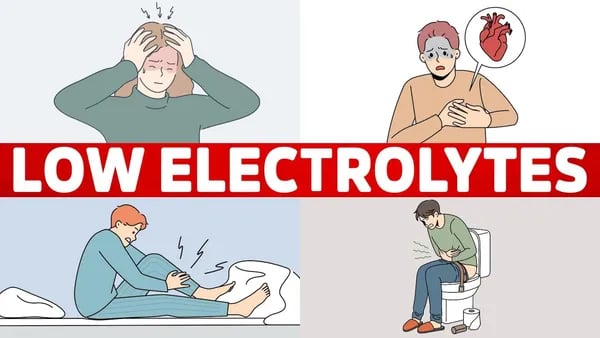
- Fatigue and weakness
- Muscle cramps or spasms
- Irregular or rapid heartbeat
- Confusion or brain fog
- Numbness or tingling
- Seizures (in severe cases)
All these symptoms come back to one thing: your body’s electrical circuits aren’t working the way they should.
A Simple Experiment: Seeing Electrolytes in Action
To really see how electrolytes work, let’s imagine a quick experiment. Picture a light bulb connected to a power source by two wires. If you cut one of the wires and put the ends into a glass of distilled water, nothing happens. The bulb stays dark. That’s because distilled water has no minerals—no electrolytes—so it can’t conduct electricity.
Now, imagine adding a scoop of electrolytes to the water and stirring it in. Suddenly, the light bulb turns on. The electrolytes have created a path for electricity to flow, completing the circuit. This is exactly what happens inside your body. Without electrolytes, your nerves and muscles can’t “light up” or send signals. With them, everything works as it should.
One of the main purposes of electrolytes in the body is to power the nervous system, which powers the muscles and all the different organs.
Why Distilled Water Can’t Power Your Body
Distilled water is pure H2O, stripped of all minerals and electrolytes. If you tried to hydrate your body with only distilled water, you’d actually dilute your natural electrolyte levels even further. This would make it even harder for your nerves and muscles to work, and could lead to dangerous electrolyte imbalance effects like heart rhythm problems or muscle weakness.
The Essential Electrolytes and Their Roles
| Electrolyte | Main Function |
|---|---|
| Sodium | Regulates fluid balance, nerve signals, and muscle function |
| Potassium | Supports nerve transmission and muscle contraction |
| Calcium | Enables muscle contraction and nerve signaling |
| Magnesium | Helps with muscle relaxation and nerve function |
| Chloride | Maintains fluid balance and helps with digestion |
Each of these electrolytes plays a unique role in your body’s electrical system. When they’re out of balance, the entire symphony goes off-key, leading to the symptoms and risks associated with electrolyte imbalance.
Causes of Electrolyte Imbalance: From Fasting to Carb Overload
Electrolyte imbalance can sneak up on you, and it’s often tied to what you eat, how you hydrate, and even how you exercise. I’ve learned firsthand that our bodies don’t store electrolytes like potassium, magnesium, sodium, chloride, or calcium for long periods. That means we need to replenish them regularly, or we risk running low—sometimes with surprising symptoms. Let’s break down the main electrolyte imbalance causes, from fasting and keto to carb overload and beyond.
Prolonged Fasting: Diluting and Depleting Electrolytes
One of the fastest ways to create an electrolyte deficiency is through prolonged fasting, especially if you’re only drinking water and not supplementing with electrolytes. When you fast and just drink water, you’re actually diluting the minerals in your body. Since you’re not eating, you’re not bringing in new electrolytes, and your body doesn’t have reserves to fall back on.
I’ve noticed that many people are already running on a low tank of electrolytes before they even start fasting. When they jump into a fast, they might quickly feel dizzy, fatigued, or experience symptoms often called “keto flu.” In some cases, people can even pass out. That’s why it’s so important to take electrolytes when fasting, not just water.
Switching to Keto: Glycogen Depletion and Electrolyte Loss
Starting a ketogenic diet is another common trigger for electrolyte loss. Here’s why: when you stop eating carbs and switch to burning fat for fuel, your body dumps its stored glucose, called glycogen.
Stored glucose as glycogen is a fluid-filled sugary substance stored in the liver and muscles; when you dump glycogen, you lose water and electrolytes.
For every gram of glycogen, your body stores about three grams of water. So, when you cut carbs, you lose both glycogen and a significant amount of fluid—sometimes as much as 13 pounds of extra water. And with that fluid, you lose electrolytes like potassium, sodium, and magnesium. This is why many people feel weak or lightheaded when starting keto, and why I always recommend supplementing with electrolytes during this transition.
High-Carb Diets: Potassium Gets Trapped
It might sound surprising, but eating a high-carb diet—especially one loaded with sugar and refined carbs—can also lead to electrolyte imbalance, particularly potassium deficiency. Here’s how it works: when you eat a lot of carbs, your body stores the extra glucose as glycogen, and potassium is needed for this process. The problem is, that potassium gets “locked up” in the glycogen and isn’t always available for your body to use.
This means you can actually become functionally deficient in potassium even if you’re consuming enough, simply because it’s trapped in storage. I’ve experienced this myself. Years ago, after a carb-heavy Italian dinner—think pasta, pizza, and bread—I noticed my pulse rate shot up. Looking back, I realize it was likely due to a rapid drop in available potassium, a classic sign of potassium deficiency symptoms.
Other Common Causes of Electrolyte Loss
- Excessive sweating: Whether you’re working out hard or just in a hot environment, sweating can lead to significant electrolyte loss, especially sodium and potassium.
- Vomiting and diarrhea: Both can rapidly deplete your body’s electrolyte stores, leading to symptoms like muscle cramps, weakness, and confusion.
- Certain medications: Diuretics, often prescribed for high blood pressure, can cause your kidneys to flush out sodium and potassium, increasing the risk of deficiency.
Why Potassium Deficiency Is a Key Concern
Potassium is especially important because our bodies need a large amount daily, and it plays a critical role in muscle function, nerve signaling, and heart rhythm. Potassium deficiency symptoms can include muscle cramps, irregular heartbeat, fatigue, and even serious heart issues if left unchecked.
Quick Facts and Data
- The body does not store electrolytes for long periods; they must be replenished regularly.
- For every gram of glycogen stored, approximately 3 grams of water are stored.
- An average person might lose up to 13 pounds of extra fluid when glycogen is depleted during keto or fasting.
Understanding these electrolyte imbalance causes can help you make smarter choices about your diet, hydration, and lifestyle—especially if you’re making big changes like fasting, starting keto, or increasing your carb intake.
Recognizing Electrolyte Deficiency Symptoms: When Your Body’s Power Flickers
Electrolytes are the unsung heroes powering every cell in our bodies. They keep our muscles—both skeletal and cardiac—functioning, help us generate energy, and maintain fluid balance. When we run low on electrolytes, our bodies send out warning signs, some subtle and some severe. Recognizing these electrolyte deficiency symptoms early can make all the difference, especially since the consequences can range from mild fatigue to life-threatening complications.
One of the first things I notice when my electrolyte levels drop is a general sense of tiredness. This isn’t just ordinary fatigue; it’s a deep, lingering exhaustion that doesn’t go away with rest. As I’ve learned, fatigue is one of the most common symptoms of electrolyte imbalance. Why? Because electrolytes, especially sodium and potassium, are critical for energy production in every cell. As the source material puts it, “They give the body energy. The two minerals, sodium, potassium, work as a major pump to generate a tremendous amount of energy in all the cells.” When these minerals are low, our bodies simply can’t keep up with daily demands, and everything feels harder.
Another early warning sign is muscle weakness or even muscle cramps and spasms. I’ve experienced this firsthand, especially during hot weather or after intense exercise. If you’ve ever woken up in the middle of the night with a painful leg cramp, you know how disruptive this can be. These muscle cramps are classic electrolyte deficiency symptoms, often linked to low sodium or potassium. The muscles, including the smooth muscle in our digestive tract, rely on electrolytes to contract and relax properly. That’s why constipation can also be a sign of imbalance—your colon is a muscle too, and it needs electrolytes to function.
Sometimes, the symptoms are more dramatic. Dizziness and dehydration often go hand in hand with electrolyte loss, especially if you’re sweating a lot or not drinking enough fluids with electrolytes. I’ve felt lightheaded after long runs or during hot days, and it’s a clear reminder that water alone isn’t enough. As the source explains, “You just don’t have the fluid to run the body. And if we don’t have that, we get dizzy, because we’re dehydrated.”
But the heart is where things can get truly dangerous. Electrolytes don’t just power our skeletal muscles; they’re essential for our cardiac muscles too. As the source says,
“Electrolytes power muscle, not just your skeletal muscles, but your cardiac muscles; deficiency can cause arrhythmias.”An irregular heartbeat or heart palpitations can be an early sign of trouble. In severe cases, this can progress to dangerous arrhythmias, which are life-threatening. That’s why it’s so important to pay attention to even mild palpitations, especially if you’re losing fluids or following a restrictive diet.
Other symptoms can include headaches, which sometimes signal a sodium deficiency. In extreme cases, drinking too much water without replacing electrolytes can cause hyponatremia, a condition where sodium levels drop so low that the brain begins to swell. This is a medical emergency and highlights the importance of balancing water intake with electrolyte replenishment. As the source notes, “You can end up with a severe sodium deficiency that’s called hyponatremia, where the brain actually starts swelling.”
Nausea, sometimes called the “keto flu,” is another sign your body’s power is flickering. When starting a ketogenic diet, many people don’t realize how quickly electrolytes can be depleted. That’s why “keto fatigue” is so common—without enough sodium and potassium, energy production drops, and the body struggles to adapt.
Finally, in rare but severe cases, electrolyte imbalance can lead to shock or a loss of blood clotting factors, especially if calcium levels drop. These are medical emergencies and require immediate attention.
In conclusion, the symptoms of electrolyte imbalance are varied but always important to recognize. From mild fatigue and muscle cramps to severe arrhythmias and brain swelling, these signs are your body’s way of telling you it needs help. Electrolytes are essential for energy, muscle function, and overall health. Don’t ignore the flickers—listen to your body, replenish your electrolytes, and keep your internal power running strong.